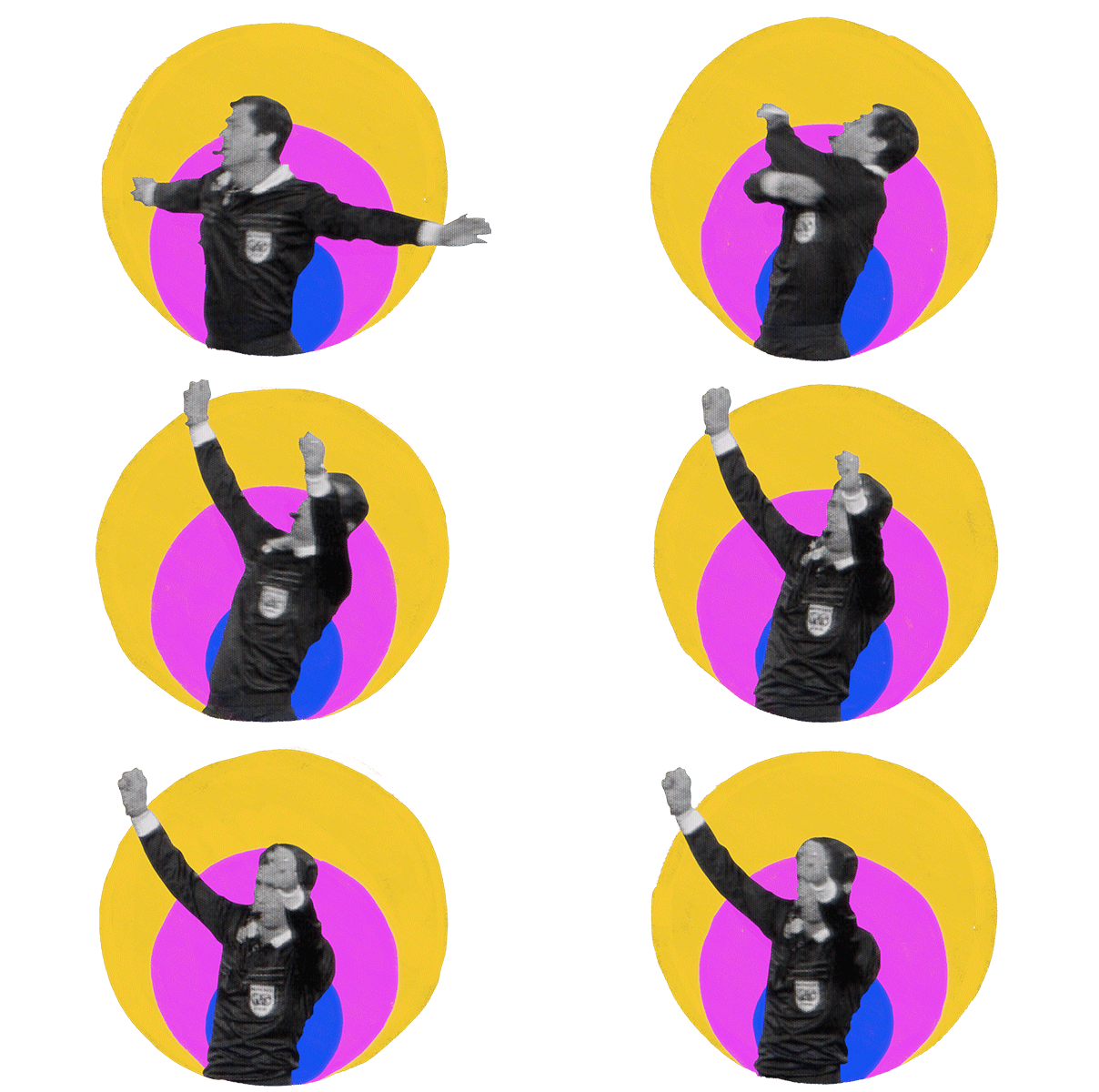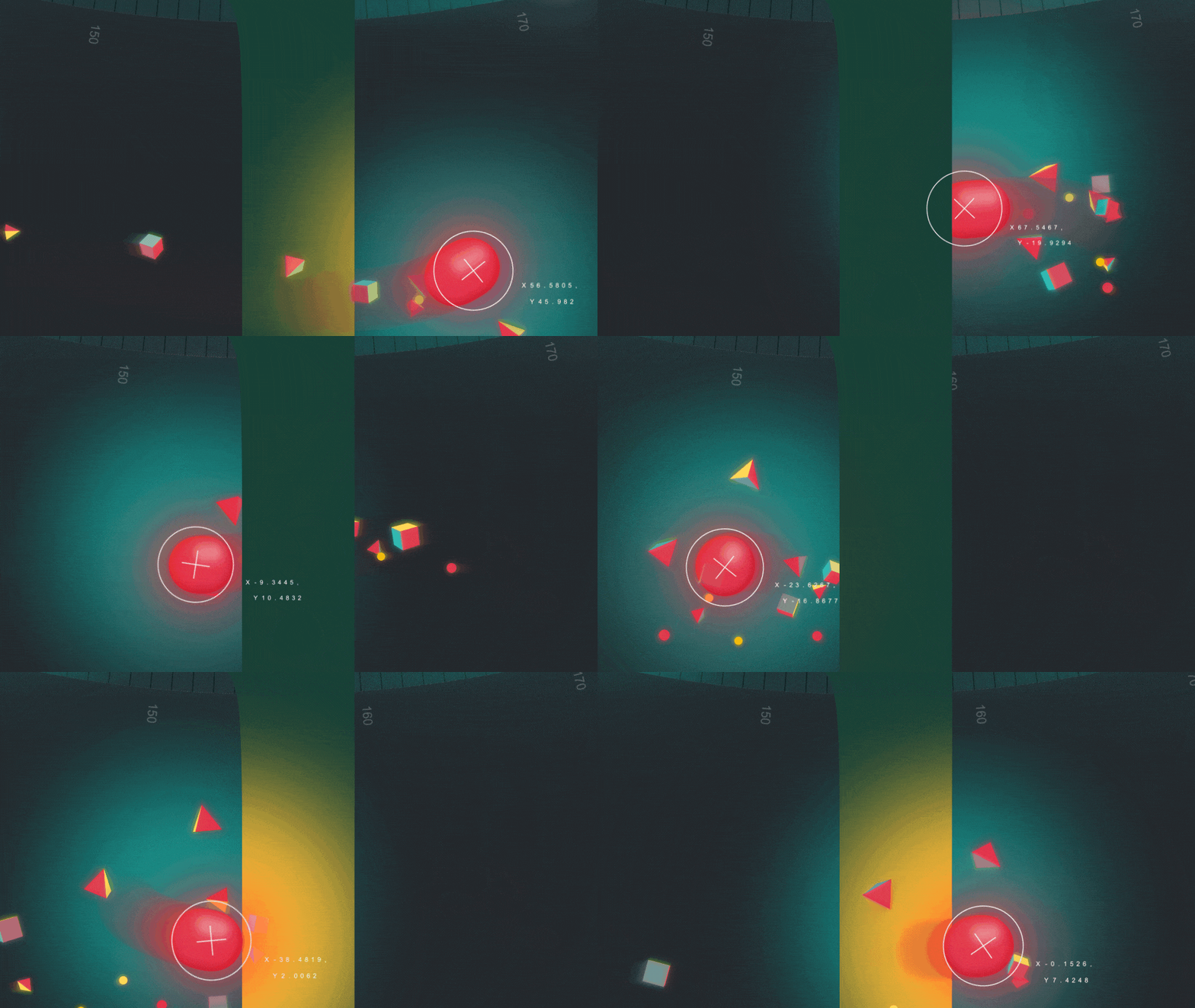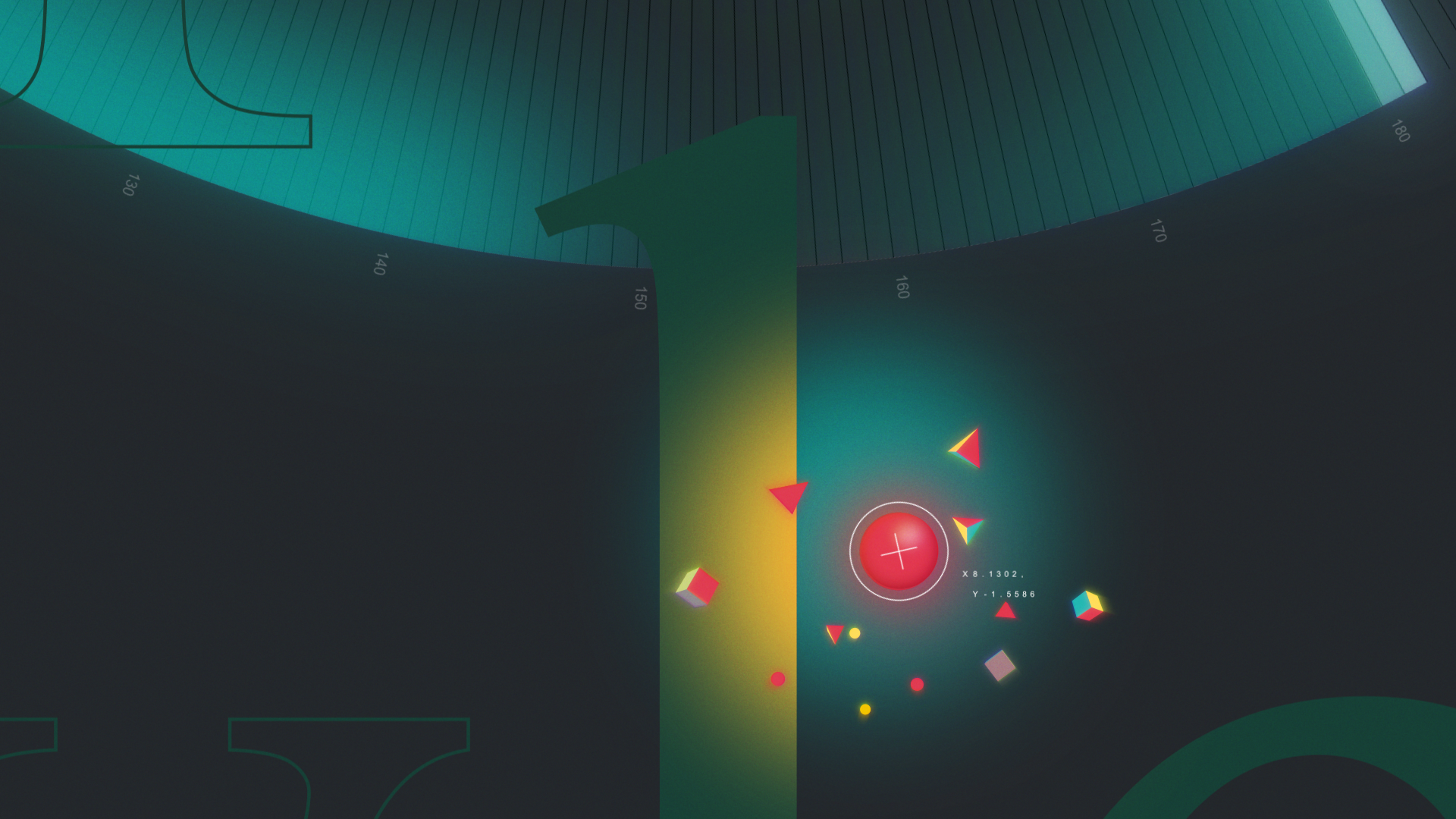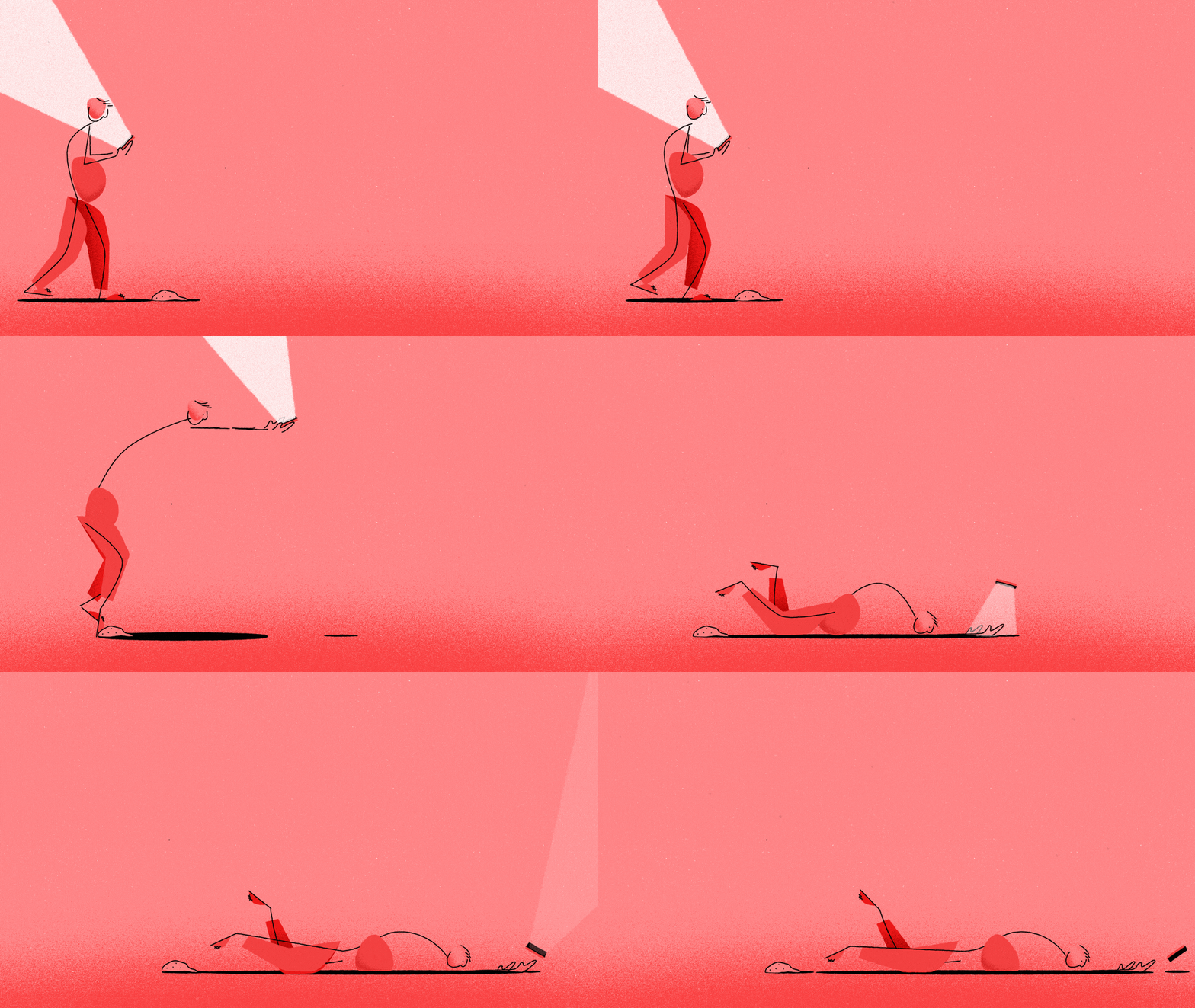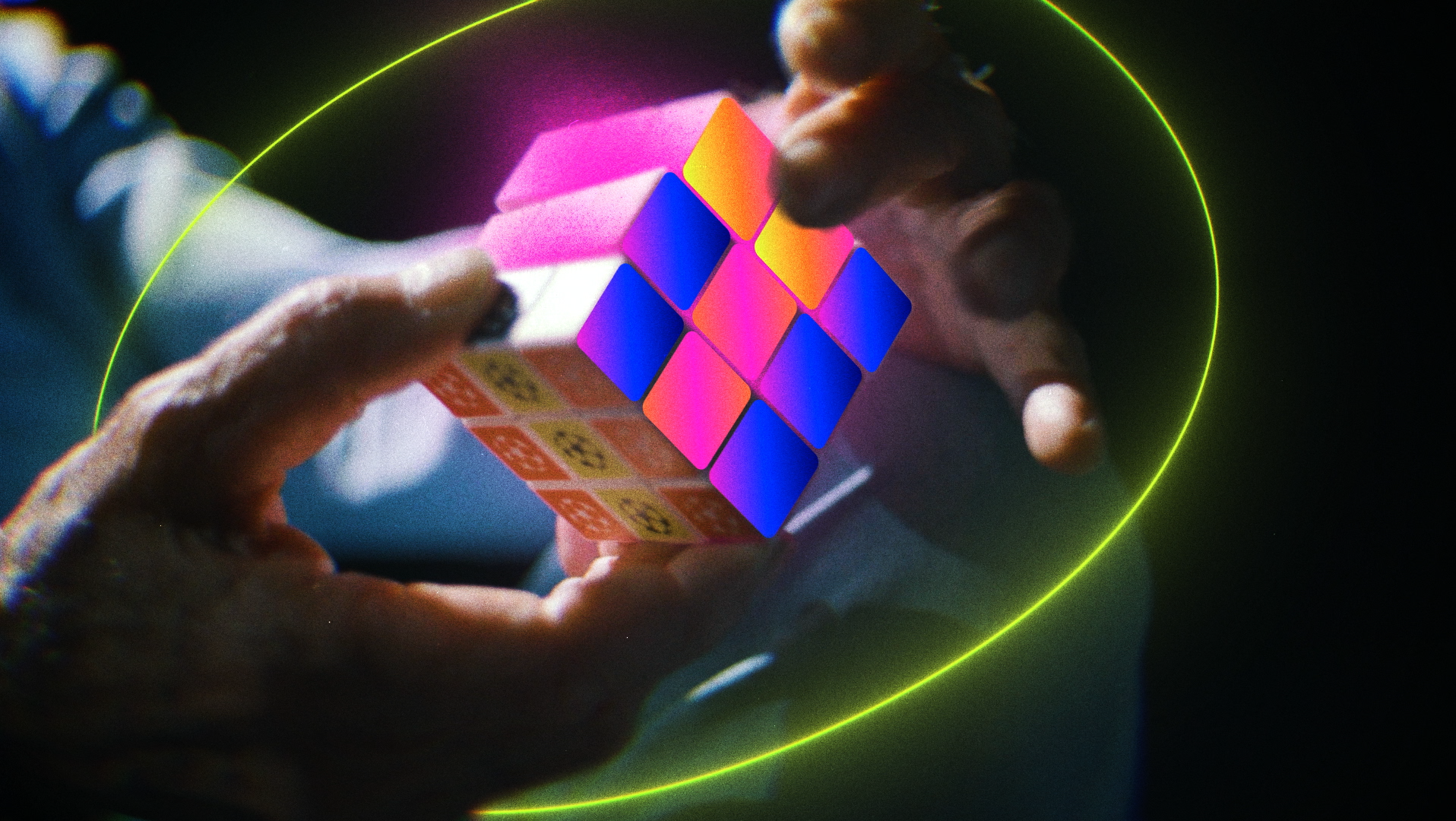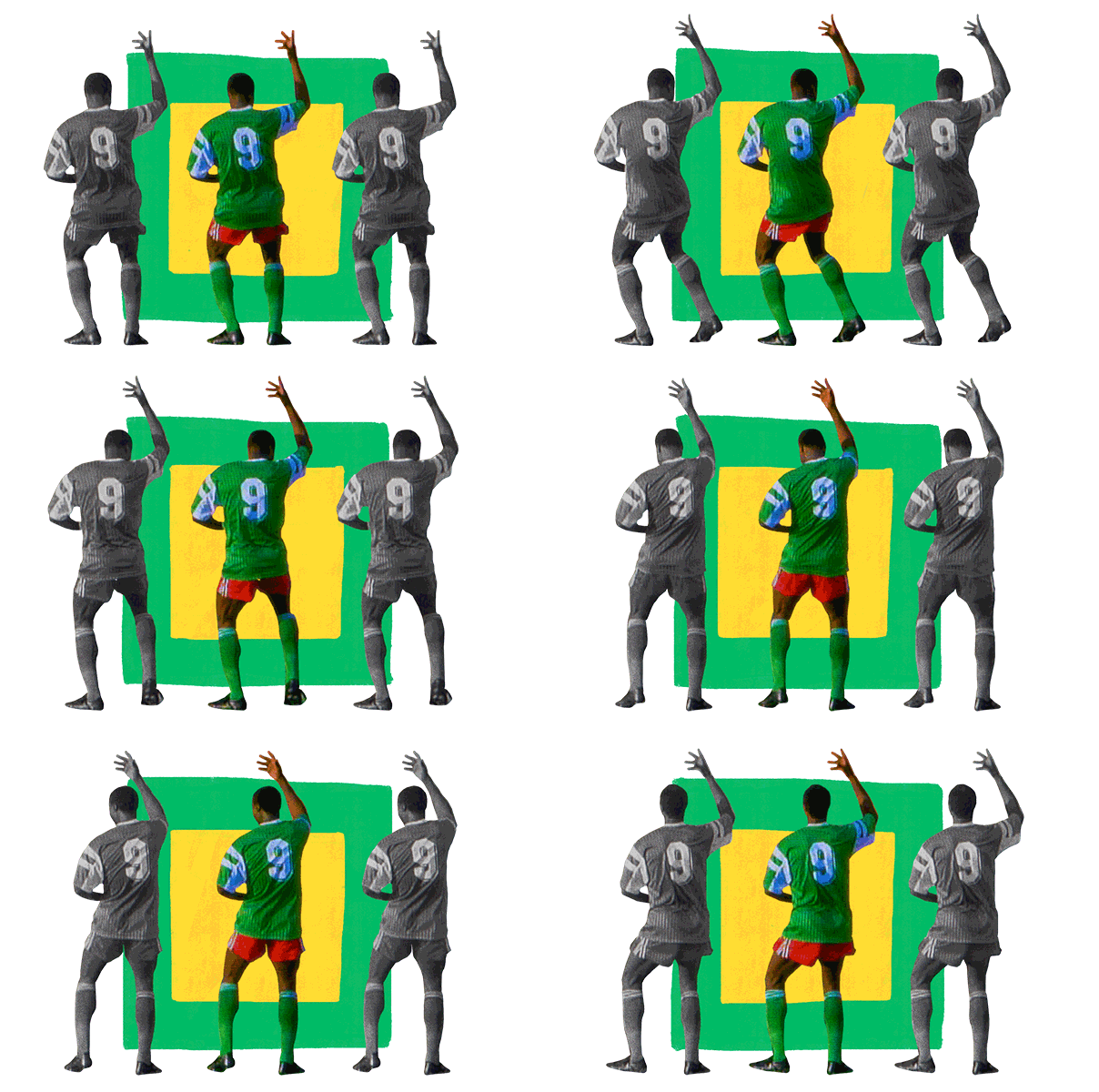

What an honour to work with my pals at Studio Something on the FIFA World Cup 2022 title sequence for BBC! They describe it better than I ever could: " this year’s title sequence celebrates ‘The Rhythm of the World Cup’ - the fancy footwork, the celebratory dances and the patterns found on the pitch. Combining audible and visual memories of the World Cup's past, we wanted to create a sensory kaleidoscope that created an opener relevant to the present. Social channels have created a culture of remixing, reattributing and resharing, and we wanted to play into this with a 'memeable' scrapbook style treatment, looping visuals and audio in a hypnotic 40 seconds of football fandom. A jamboree to celebrate all that makes the great game great."
Agency: Studio Something
Client: Mark Woodward - Creative Lead, BBC Football
Head of Agency: Tracey Paxman
Executive Producers: Ian Greenhill & Jordan Laird
Client: Mark Woodward - Creative Lead, BBC Football
Head of Agency: Tracey Paxman
Executive Producers: Ian Greenhill & Jordan Laird
Credits
Andy Maas - producer
Emma Lally - creative director
Ken Clark - design and art direction
Andrei Staruiala - lead animator
Veronyka Jelinek - frame by frame animation
Jack Allen and Harris Redpath - rotoscope artists
Lewis Isbell - researcher
Callum Rankine - composer
Edit123 - sound mix
Emma Lally - creative director
Ken Clark - design and art direction
Andrei Staruiala - lead animator
Veronyka Jelinek - frame by frame animation
Jack Allen and Harris Redpath - rotoscope artists
Lewis Isbell - researcher
Callum Rankine - composer
Edit123 - sound mix
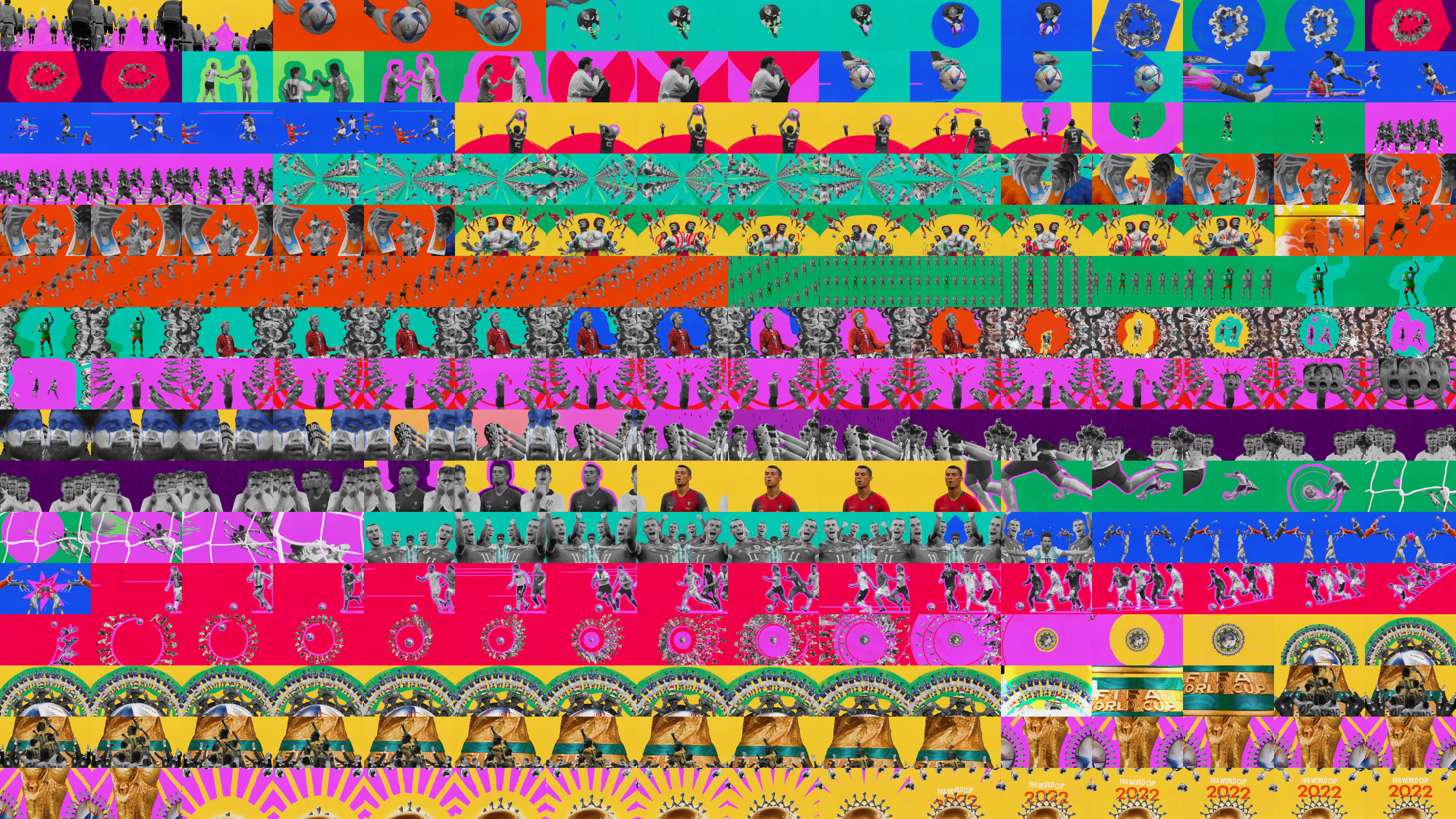
Studio Something started way earlier but for me the project spanned 8 weeks, working closely with creative director Emma Lally every step of the way.
While we started digging through more than 4 hours of footage (that Lewis - our researcher - handpicked for us from the BBC archive) we also had to think of how we could make these work. At this stage we didn't have a clear narrative in place, just themes that we would like to explore and loose categories (pacemaking, beat building, boogie wonderland, heartbreak and so on). I guess this is the nature of a project based on archive footage, you don't know what treasures you'll come across.
One of the biggest challenges was finding the right shots for our treatment. The framing had to be very specific – we were rotoscoping each player out of context, and we didn't want weird crops limiting how we could use them once they were isolated. They also couldn't be obstructed by other players or objects, because out of context that would've looked like a mistake.
Our usable footage had tons of rules, which meant we were often at the mercy of replays or alternative angles you don't normally see in a live broadcast. Having access to BBC's vast archive was key.
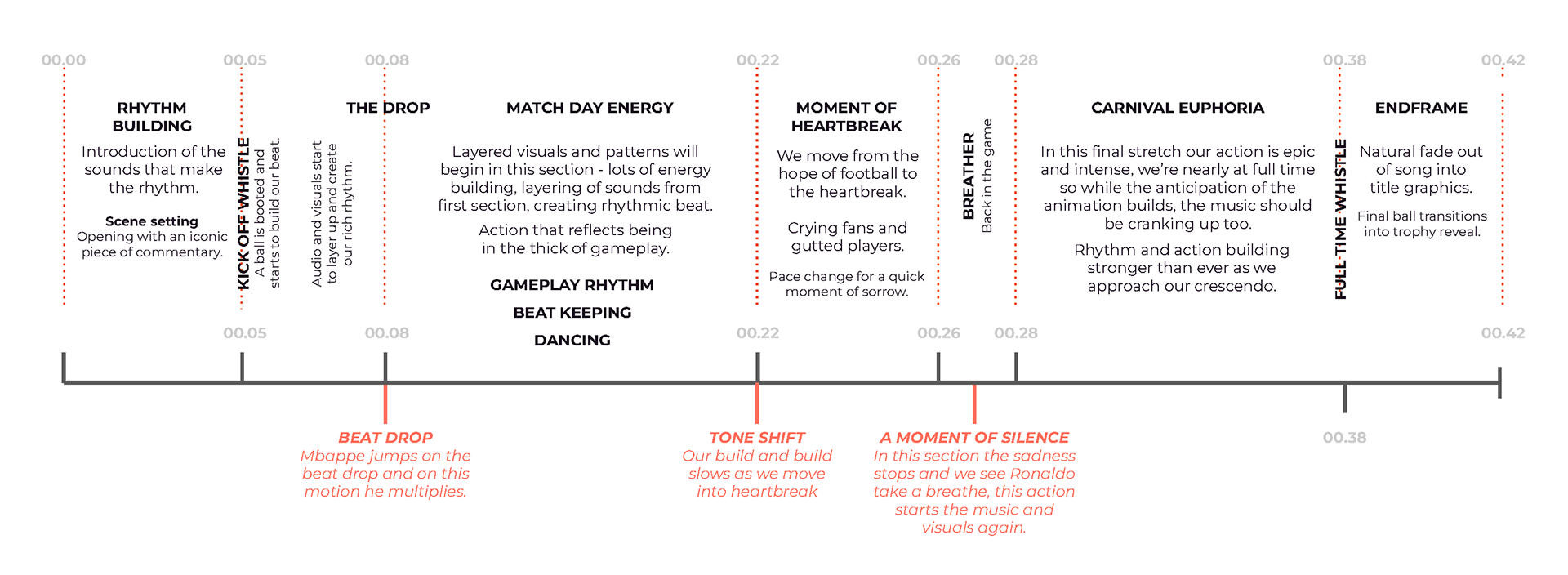
Developing the timeline above was a breakthrough moment in finding a narrative structure. By this point we were pretty familiar with the footage. We'd trimmed it down to 25 minutes, had our themes and categories sorted, so we knew what ingredients we had. We just had to come up with a recipe – easy, right?
I remember shots started falling in place quite naturally (minus just a few gaps) and it was all taking shape based on the moments of any football match: kick off to full time whistle and all the energy and drama in between.
Initial Styleframes by Studio Something
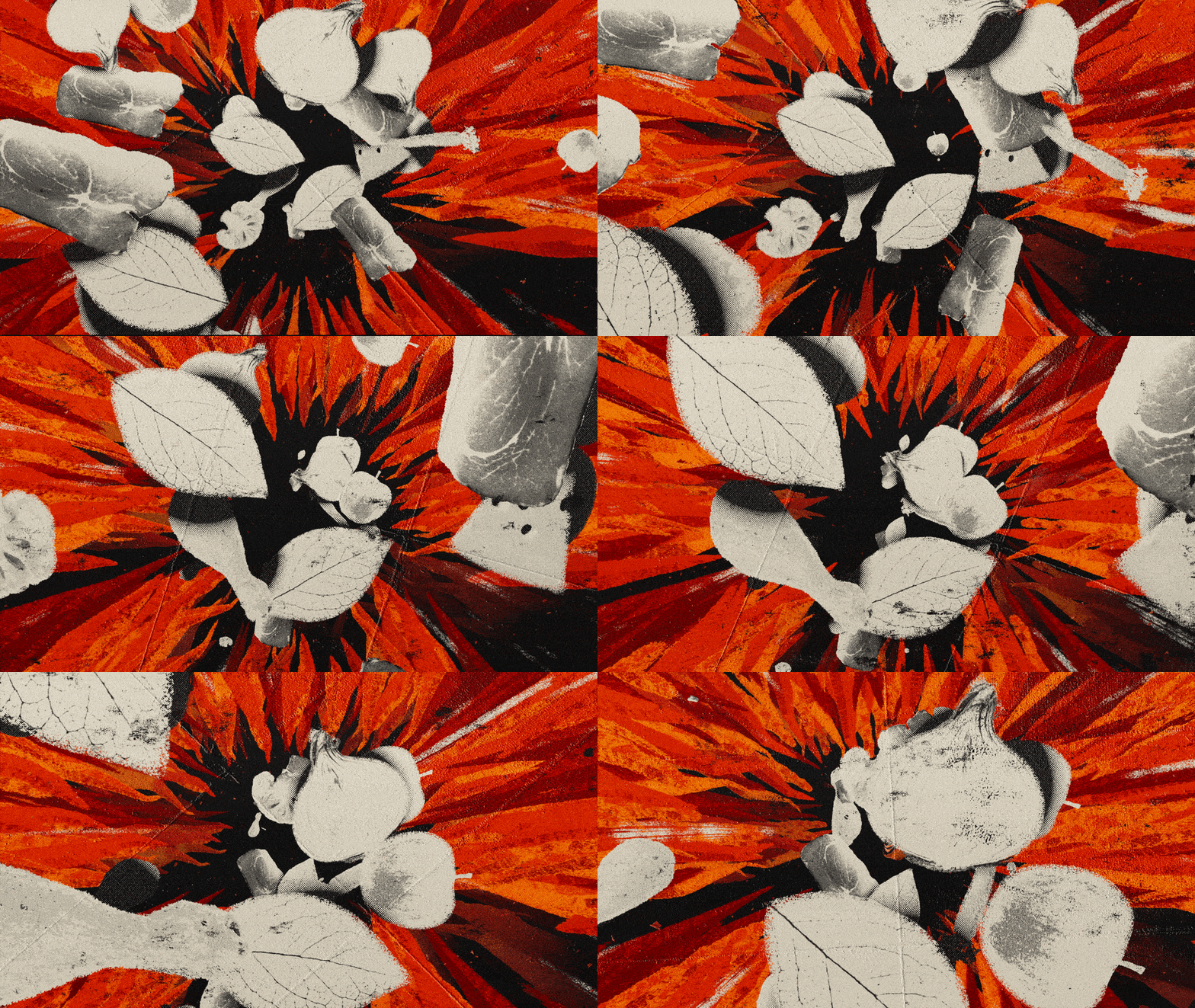
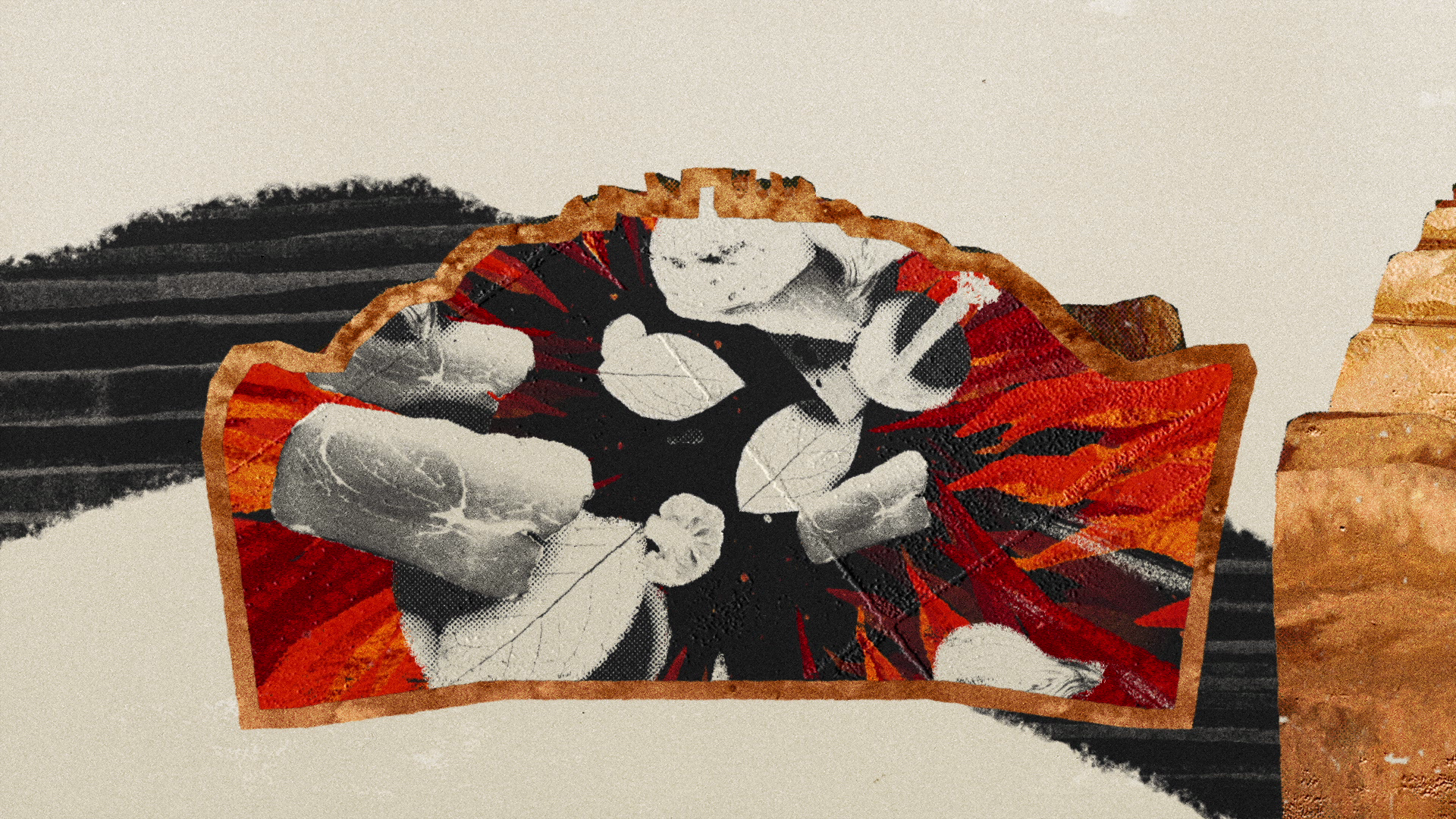
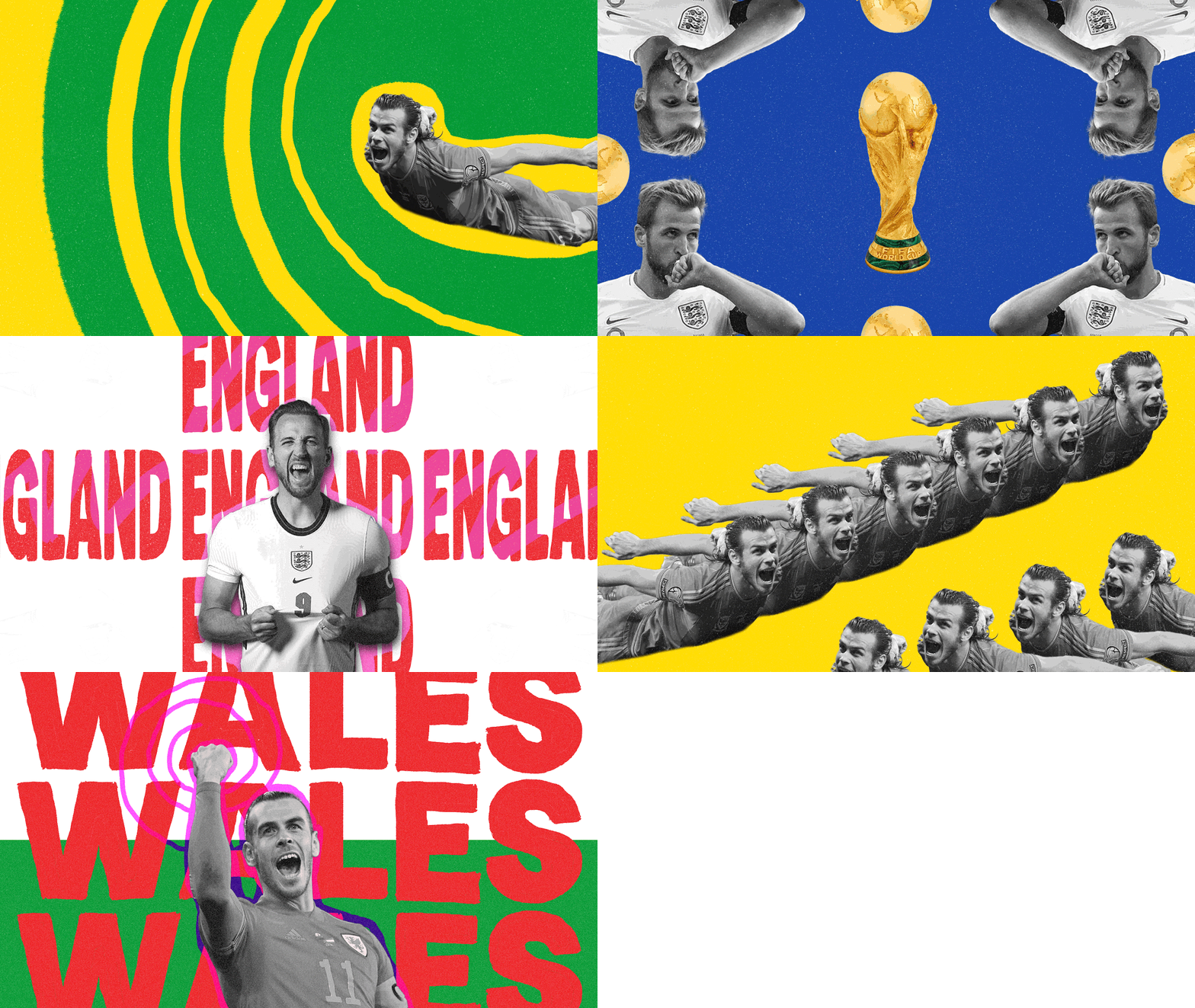
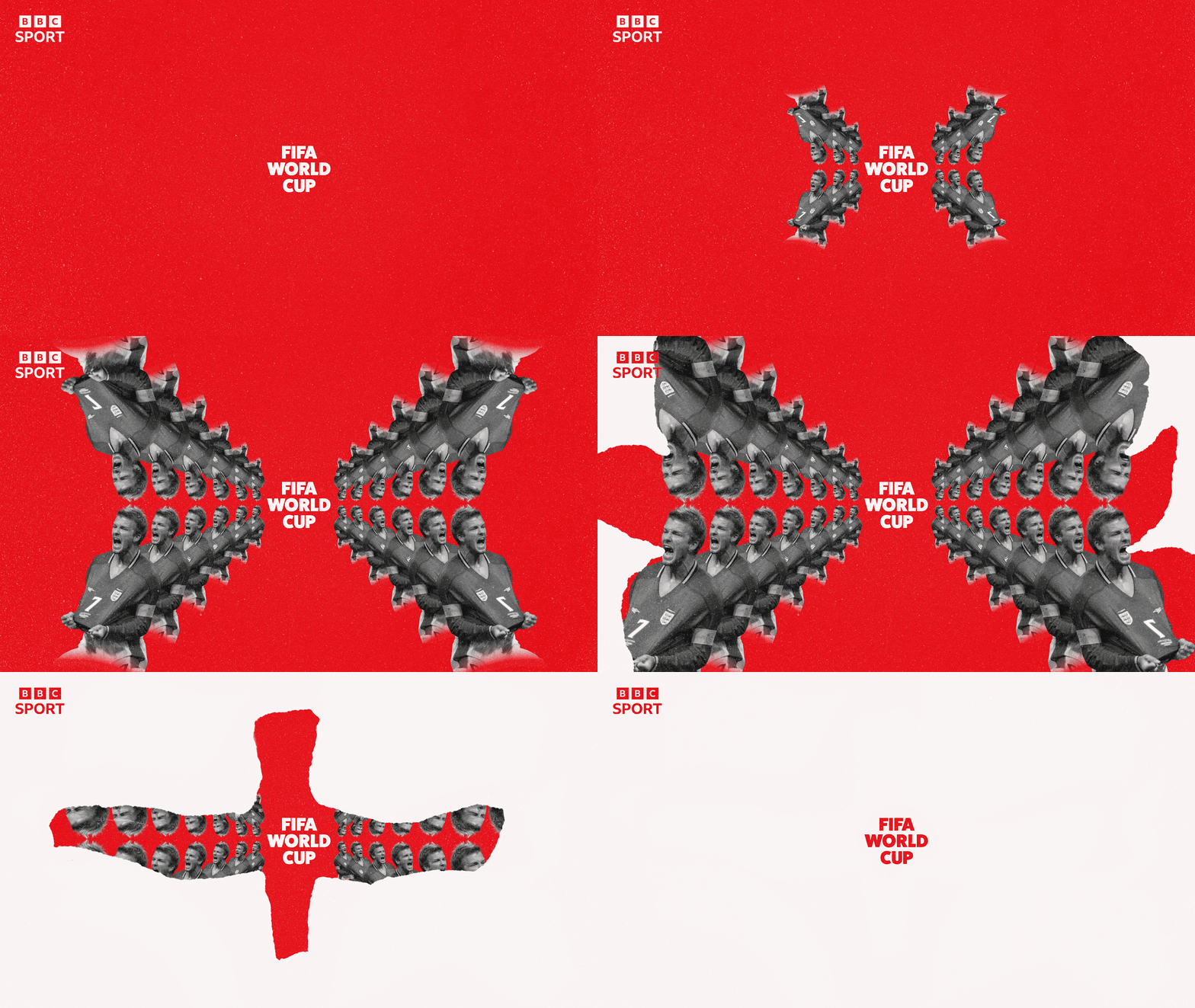
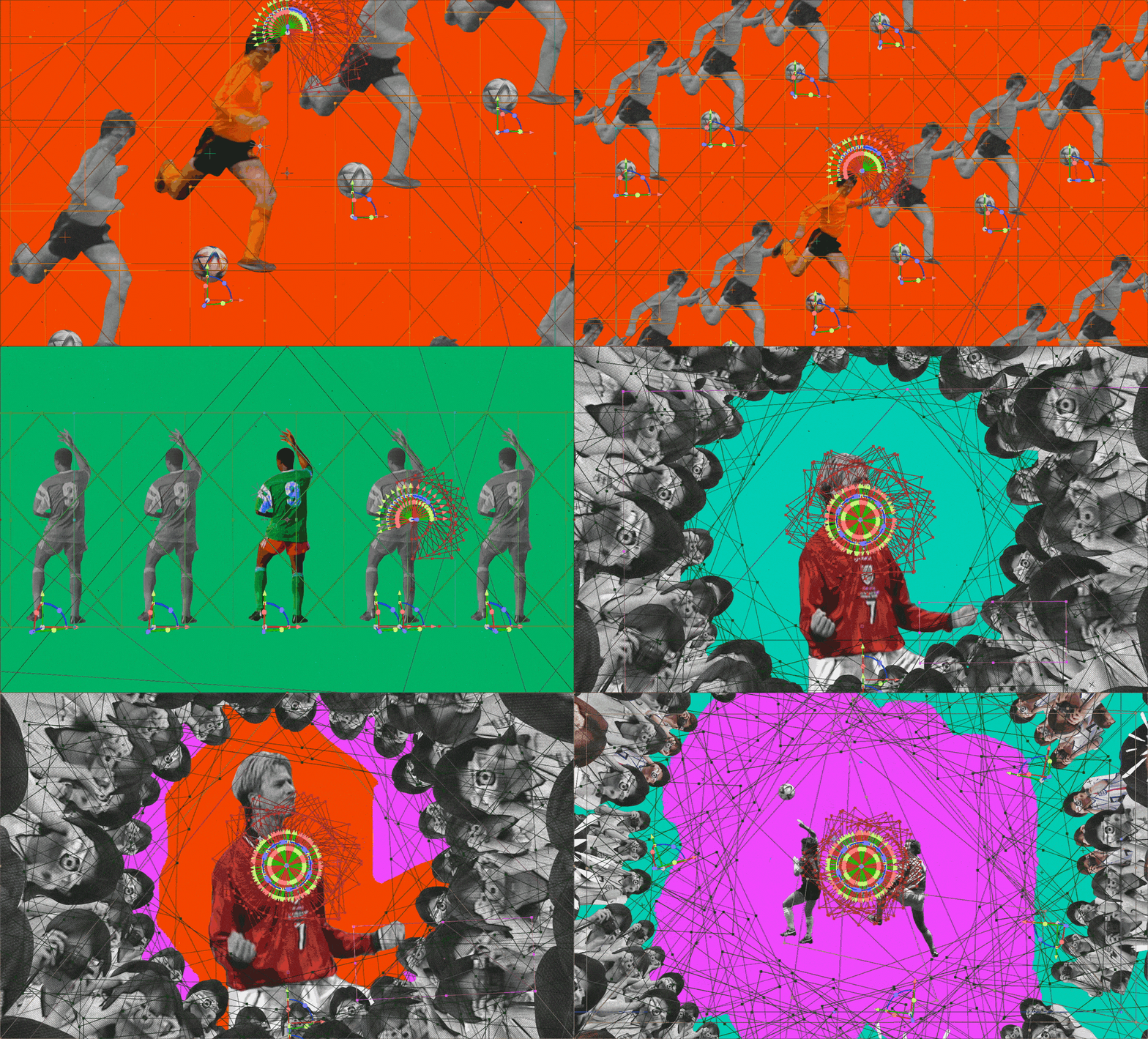
Ken Clark - Studio Something's Art Director - developed these gorgeous styleframes very early in the process. They were actually in the deck the studio presented to BBC in the pitch phase. The biggest things we had to lose were the typography and the flags (only because we didn't have time for big individual feature moments like that) but everything else made it through – the black and white treatment, the repetition, colours, handmade flourishes, gritty texture. I loved this scrapbook style from the start, so I'm elated we managed to preserve it.


Pattern Explorations and Animation Tests
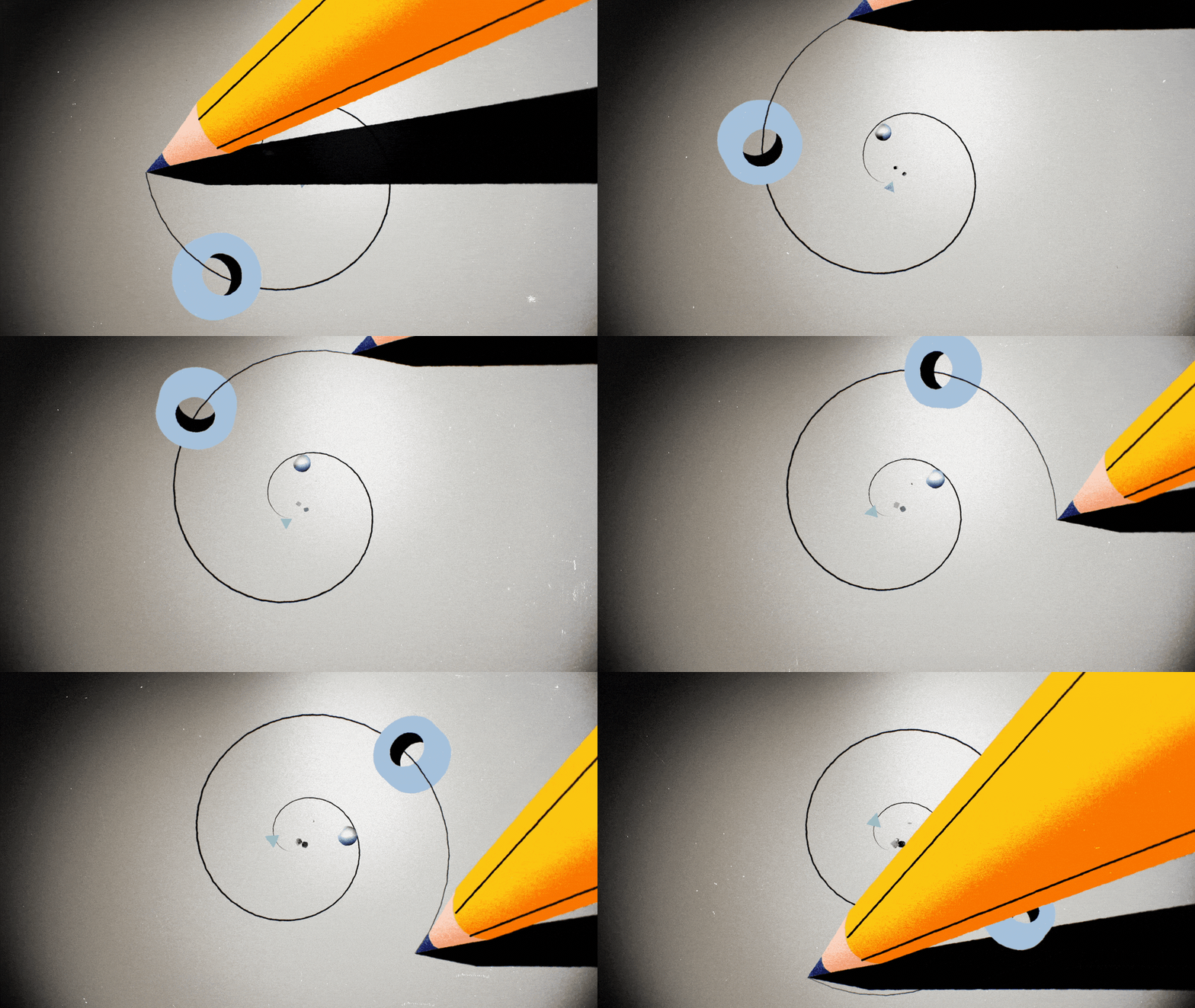
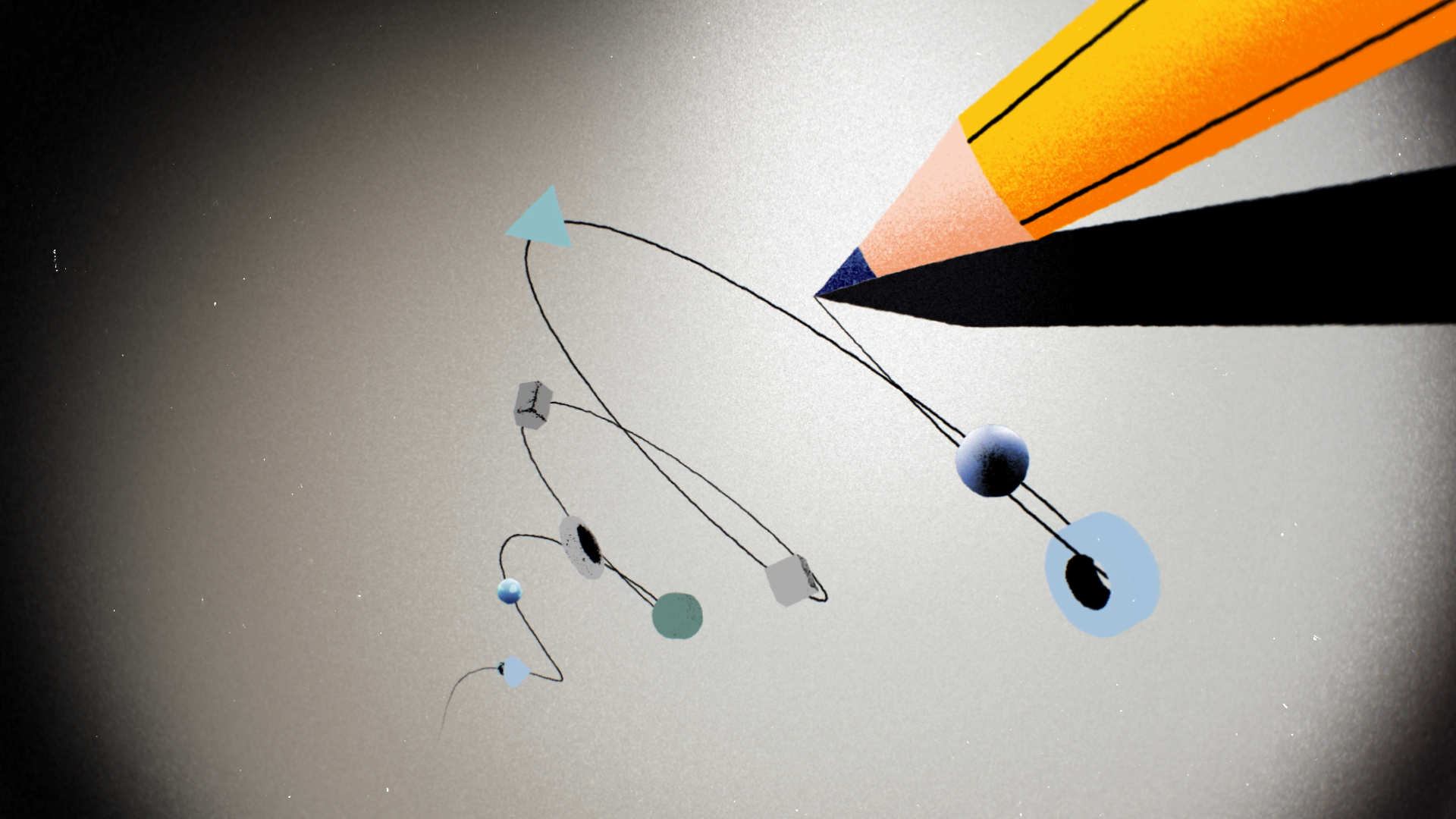
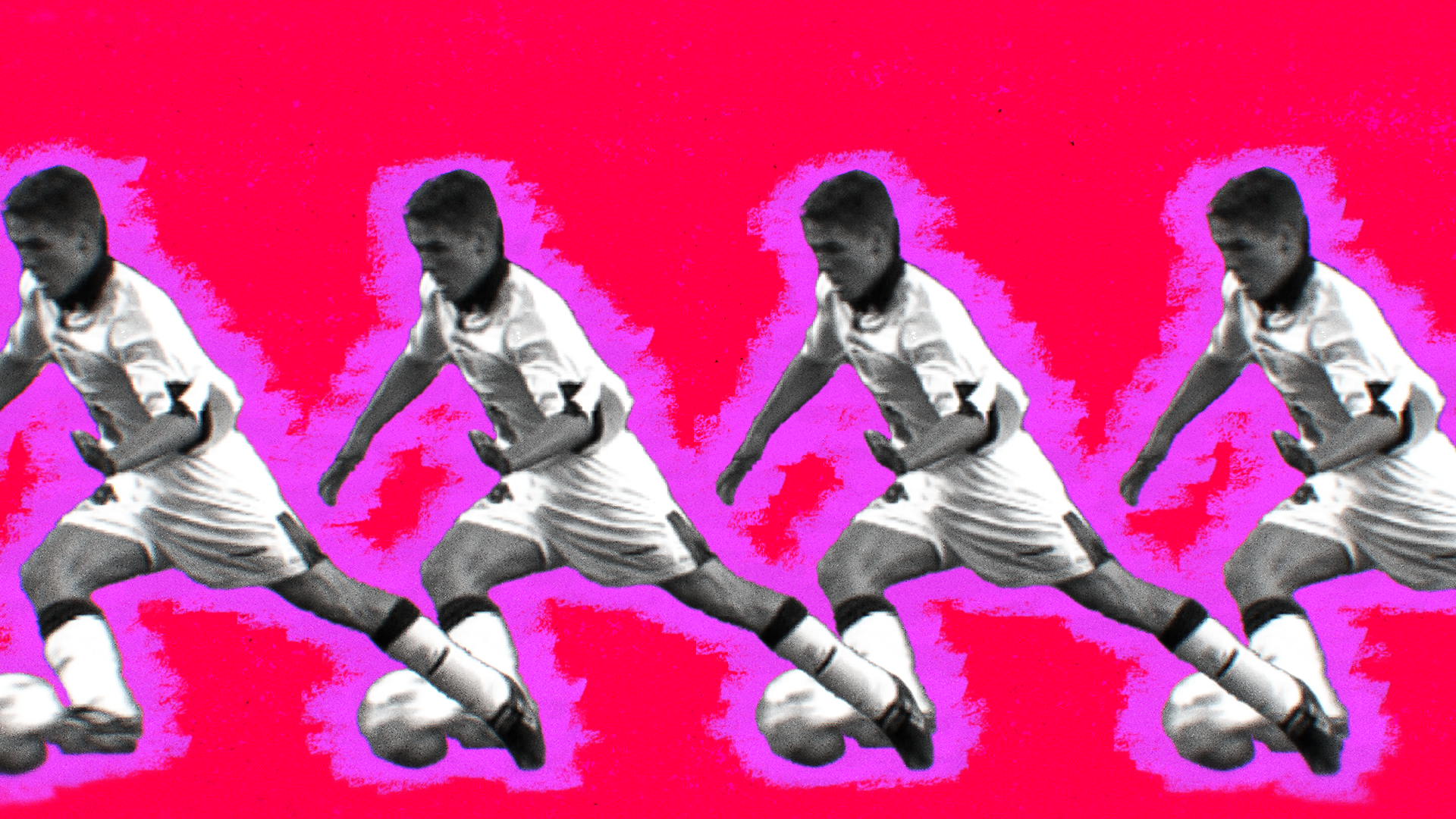
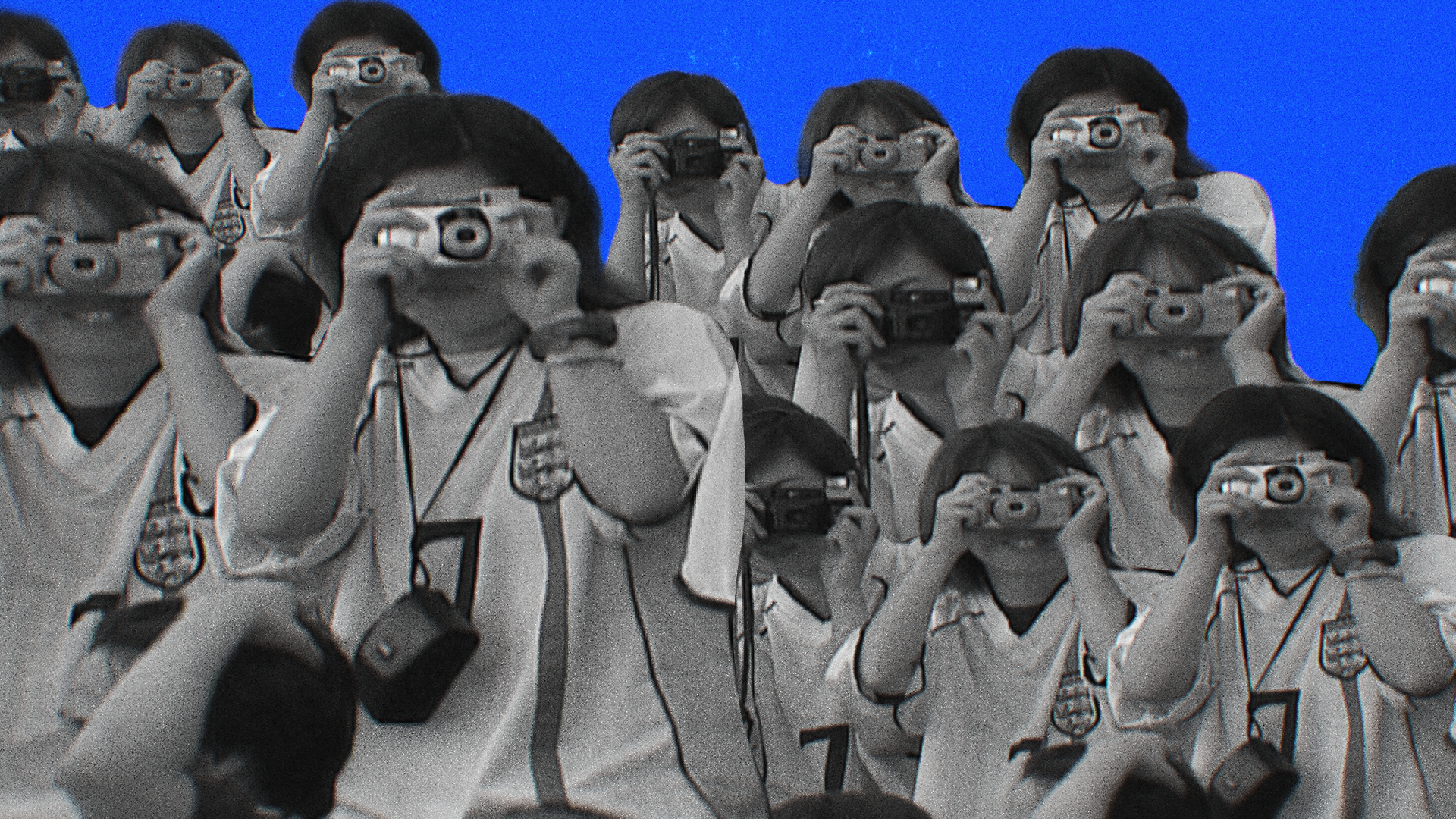
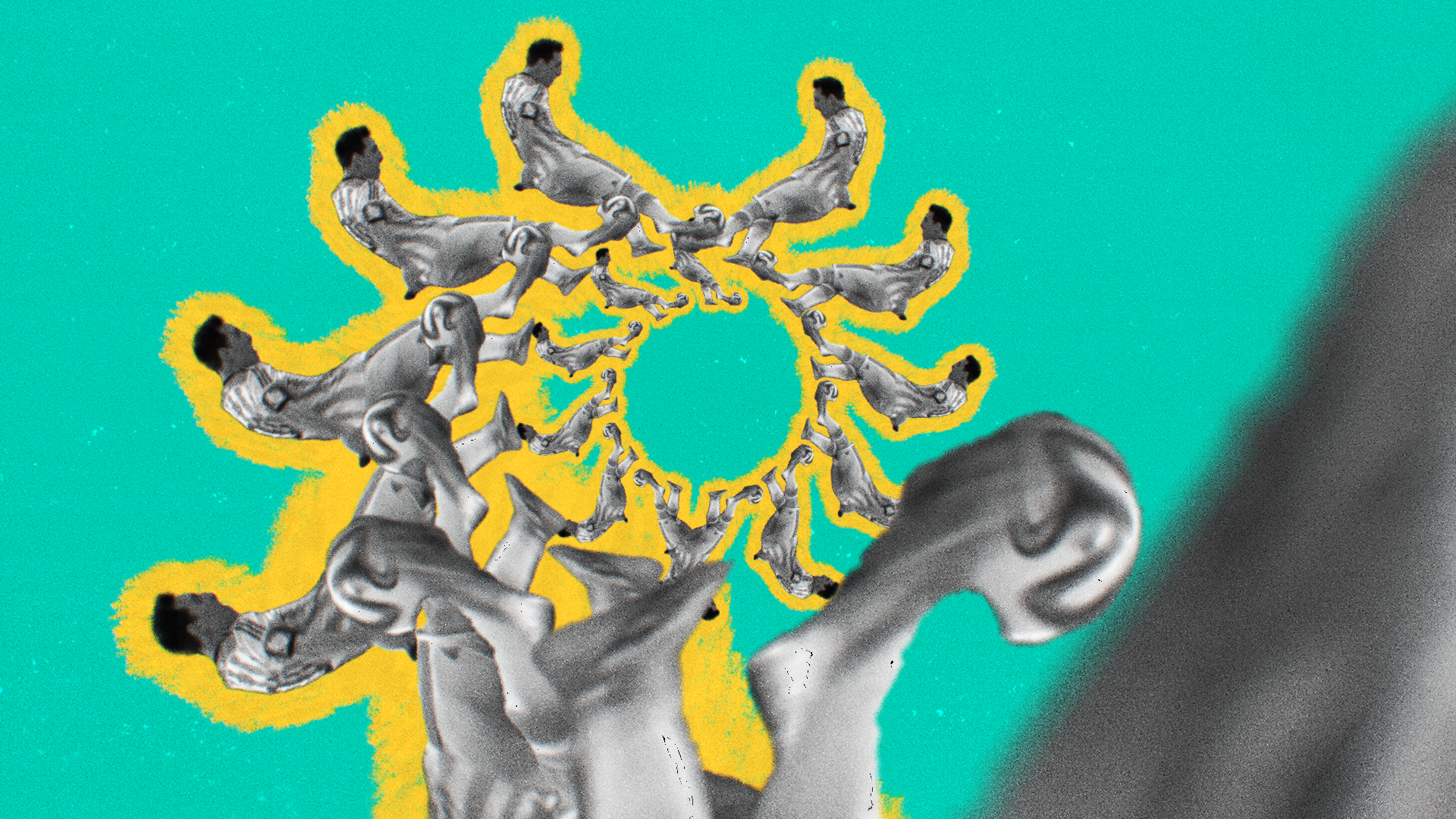
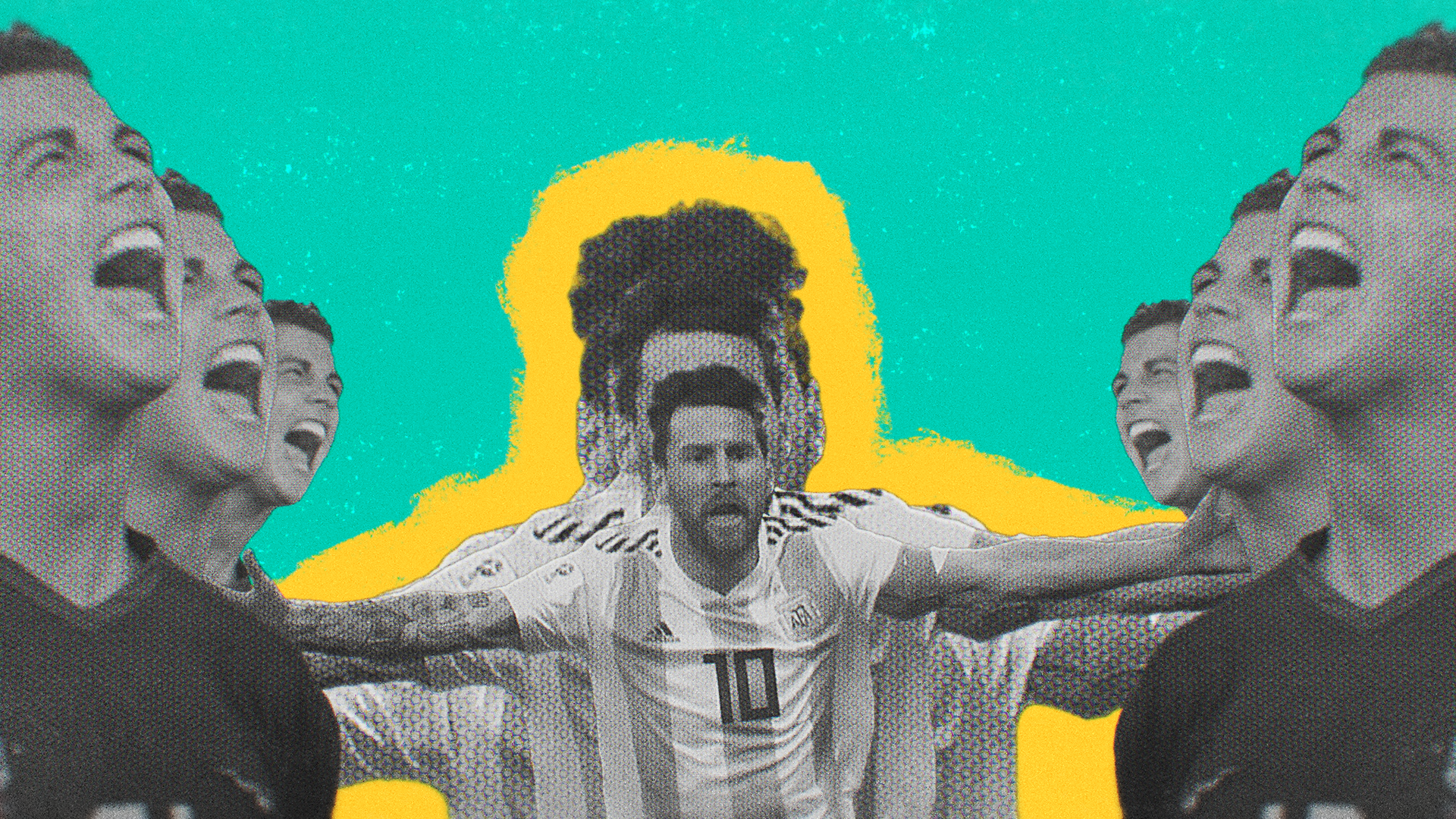
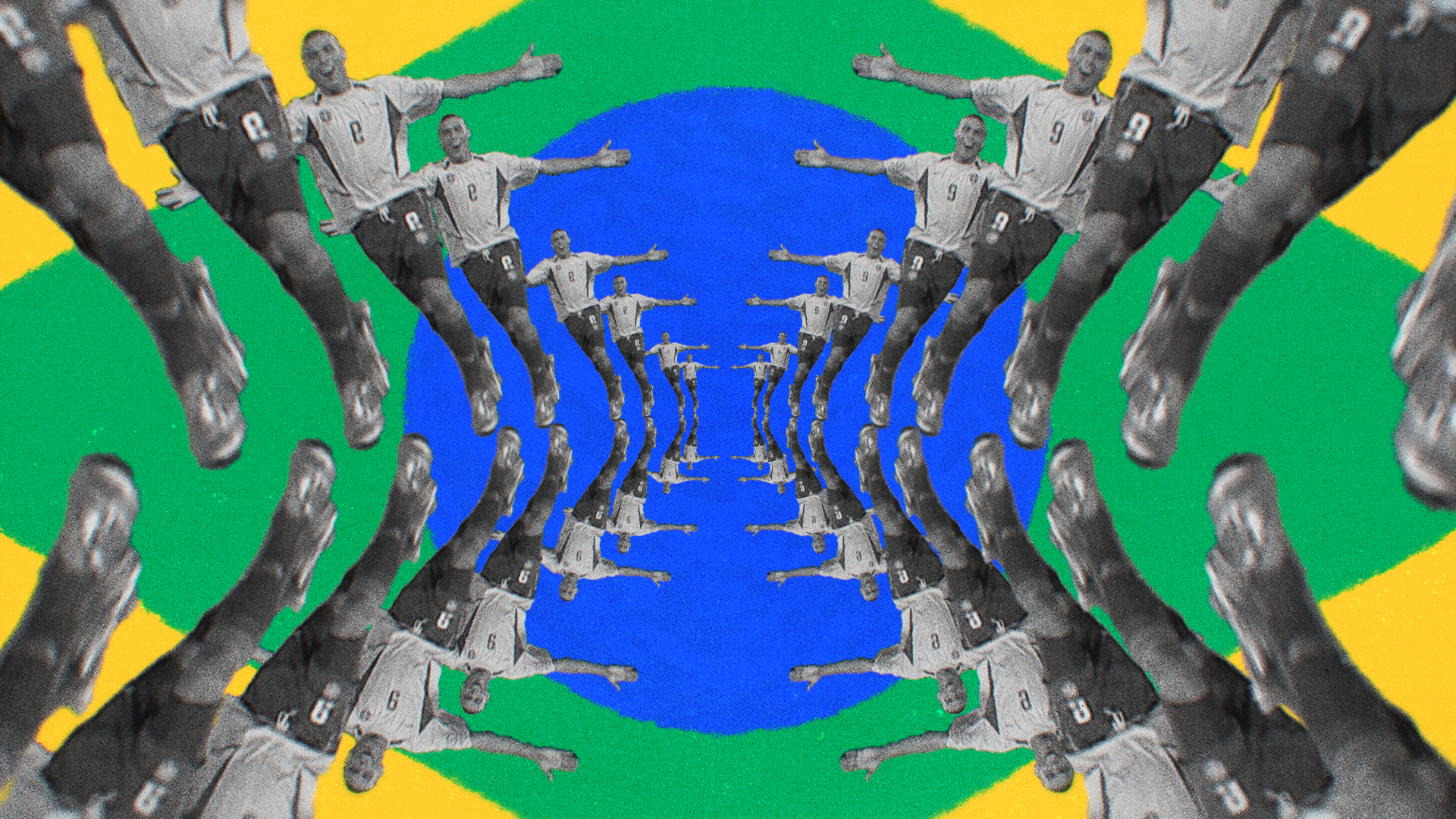
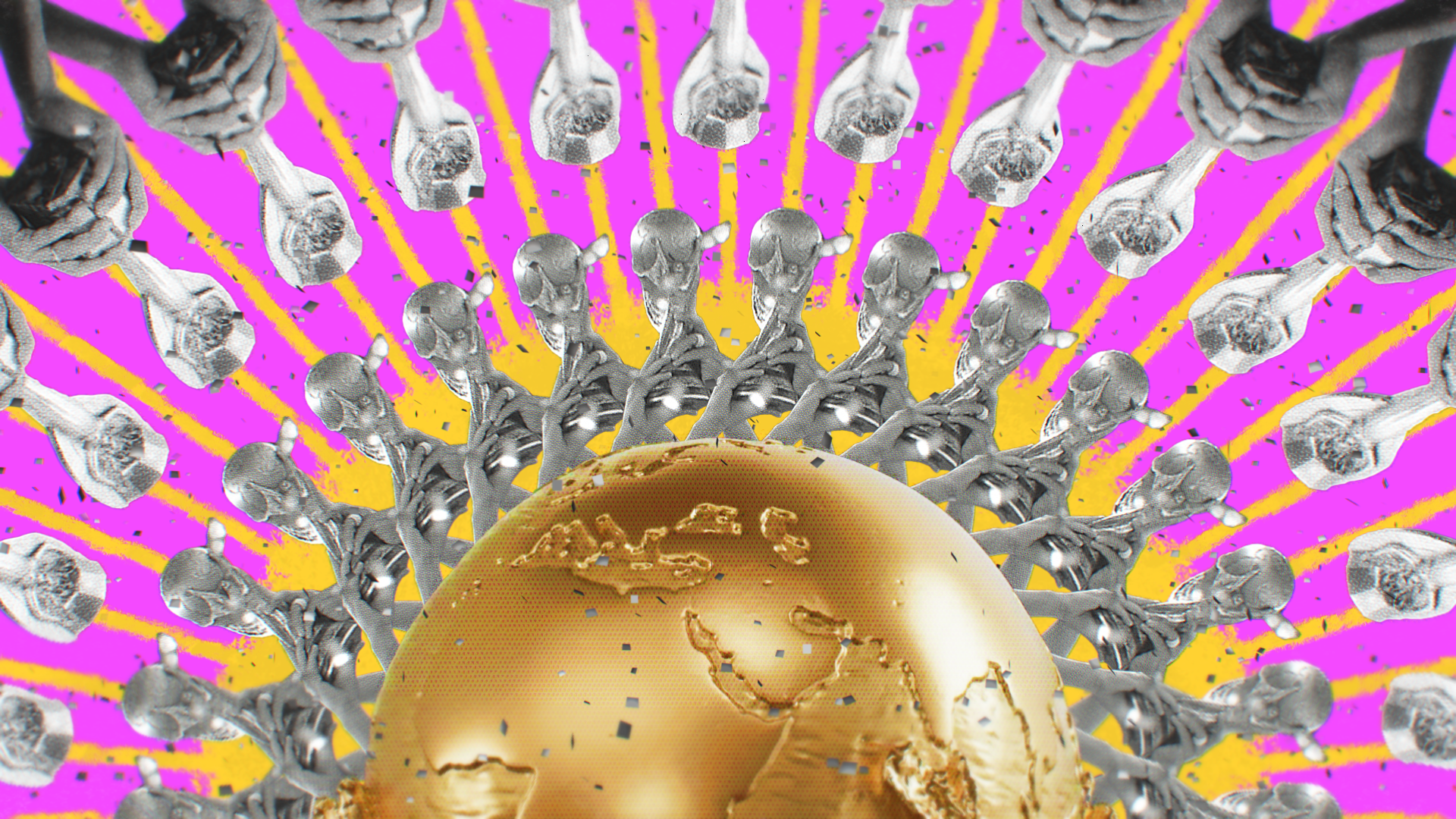
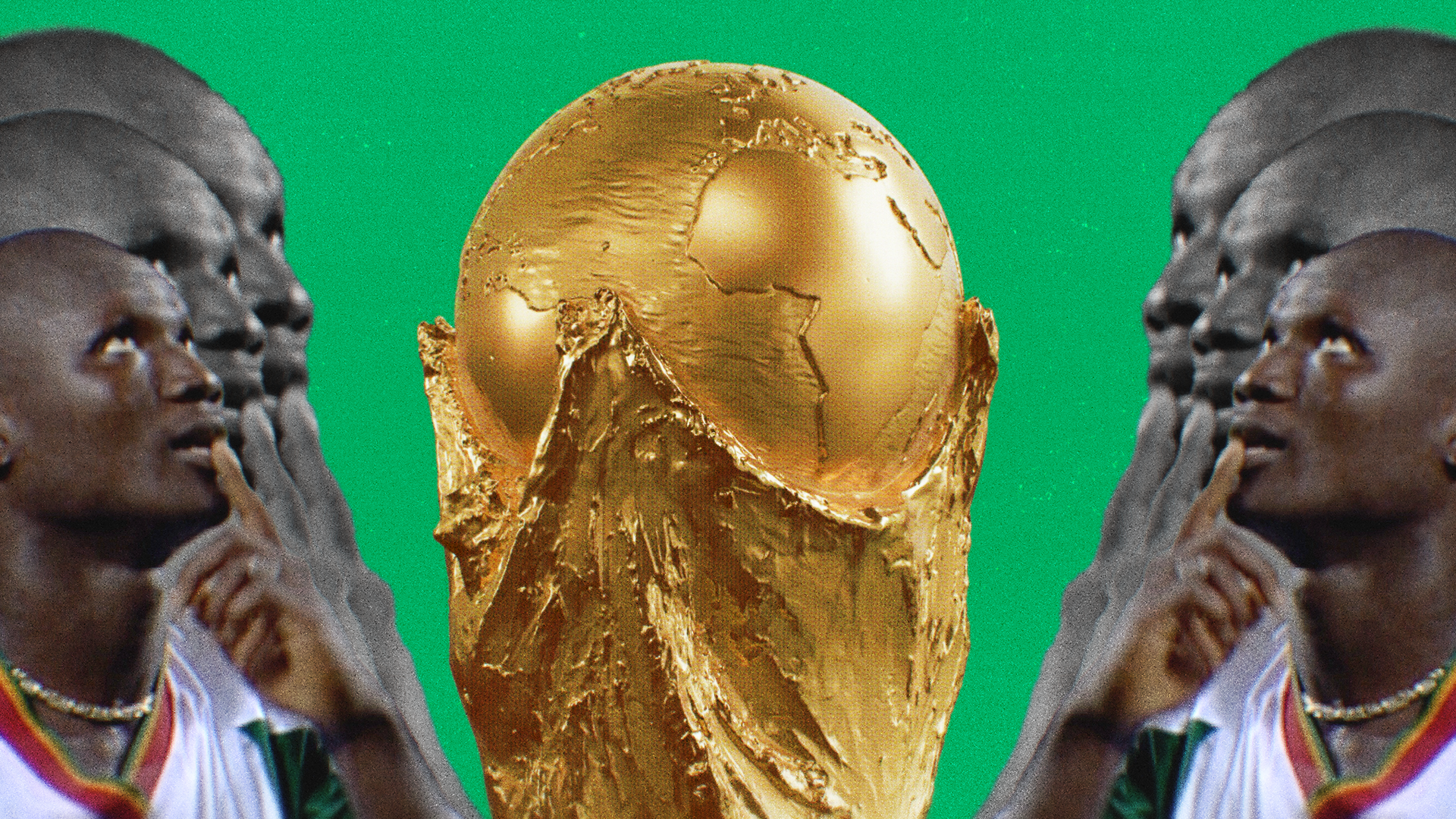
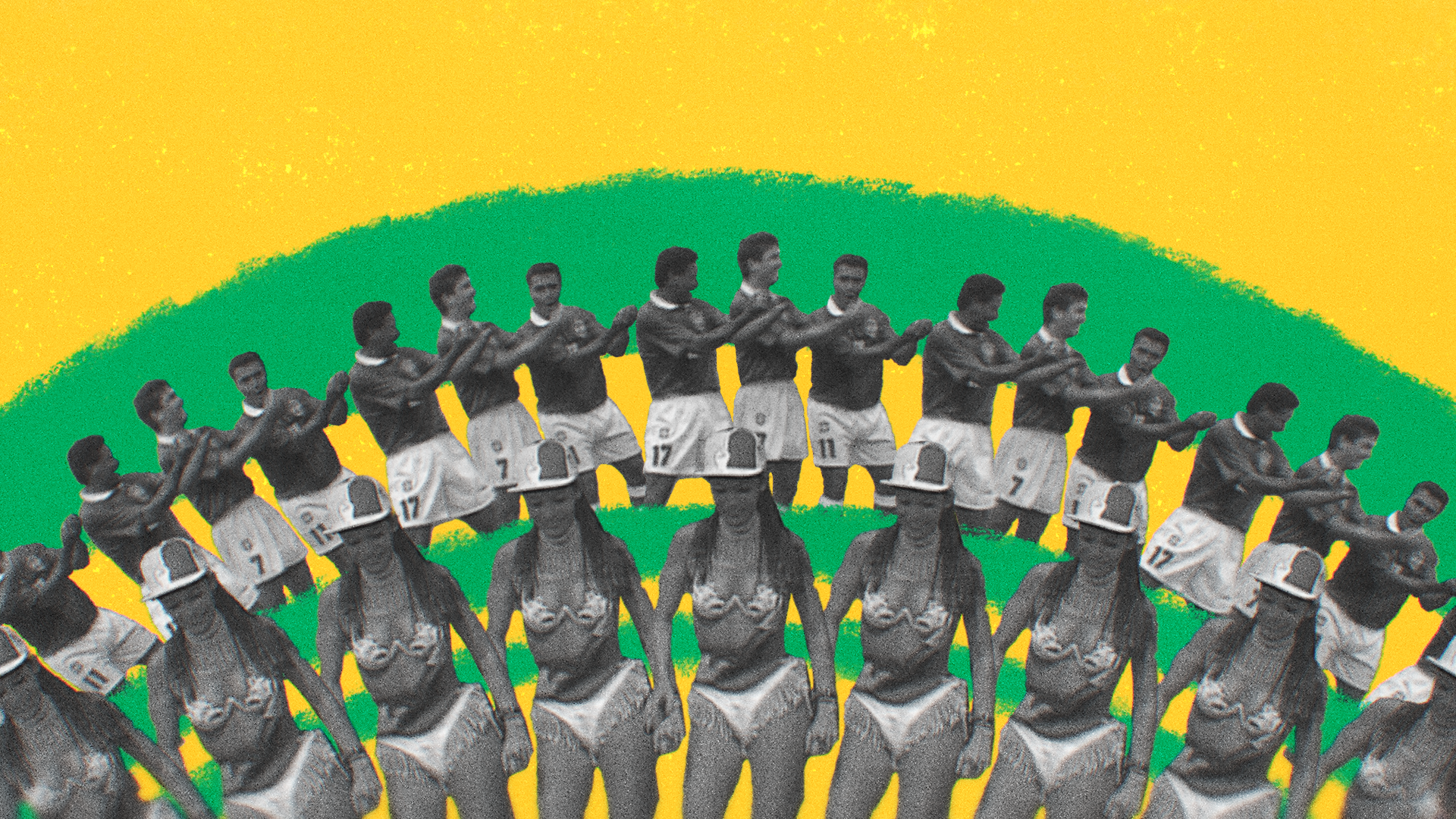
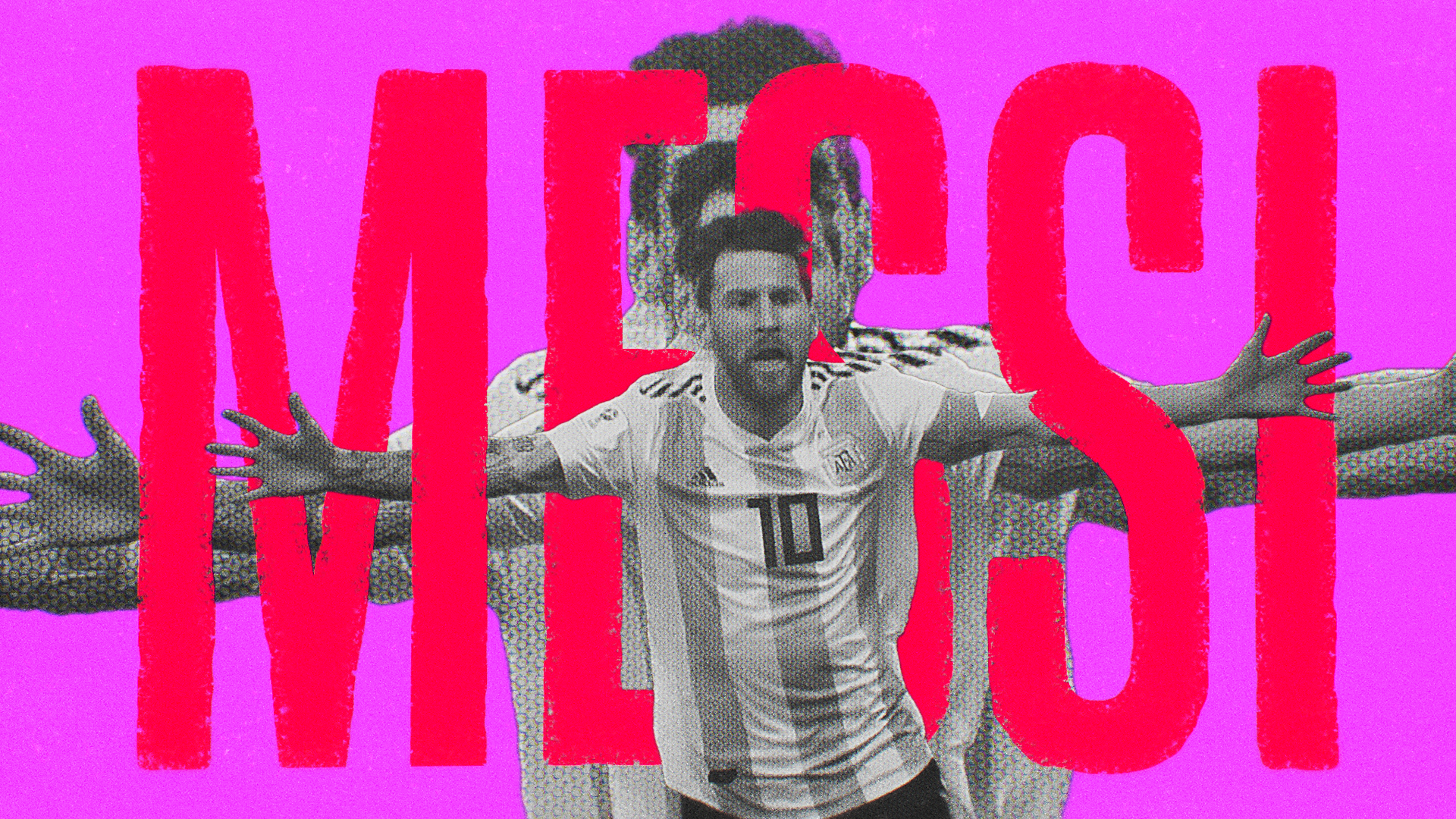
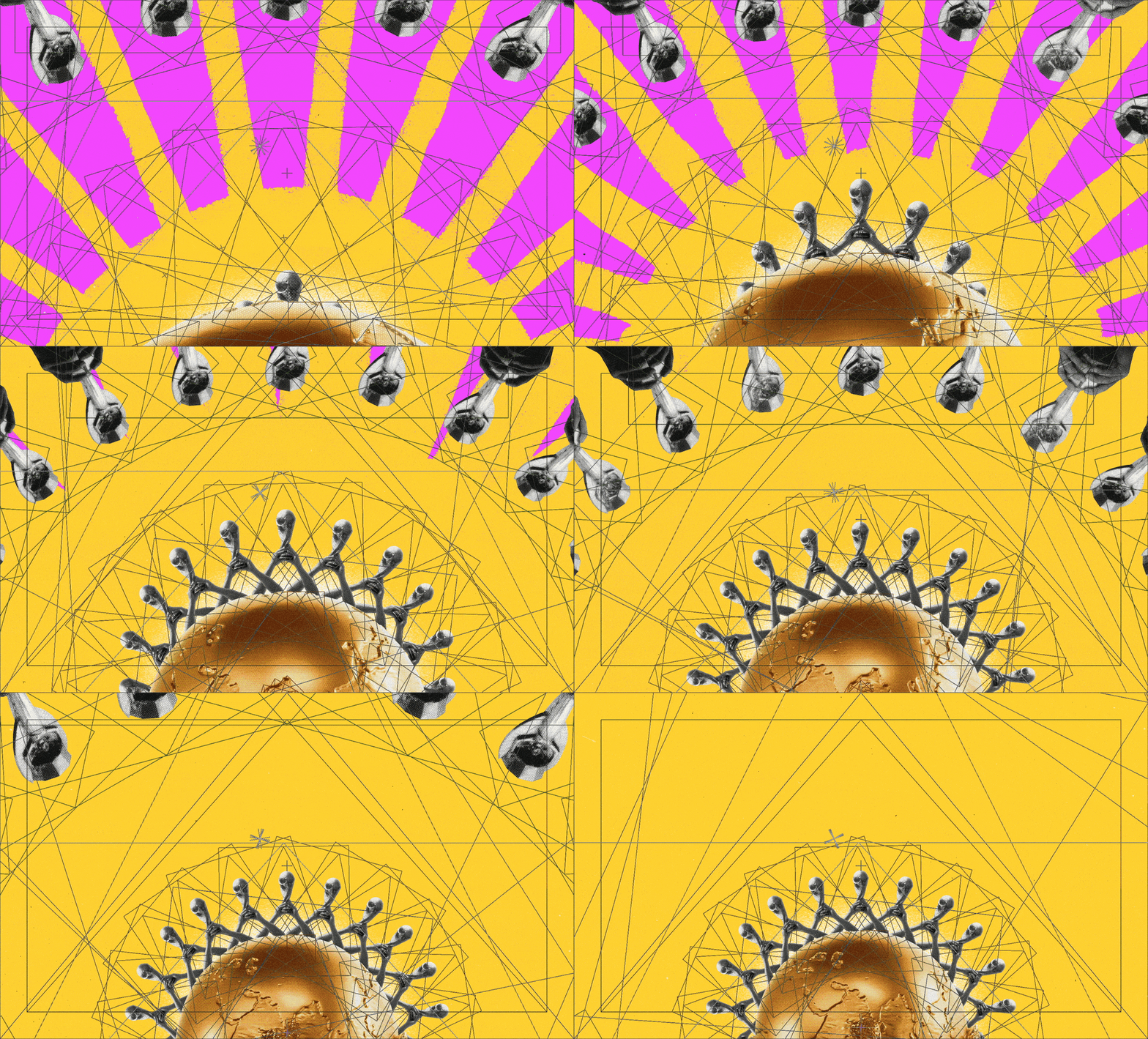
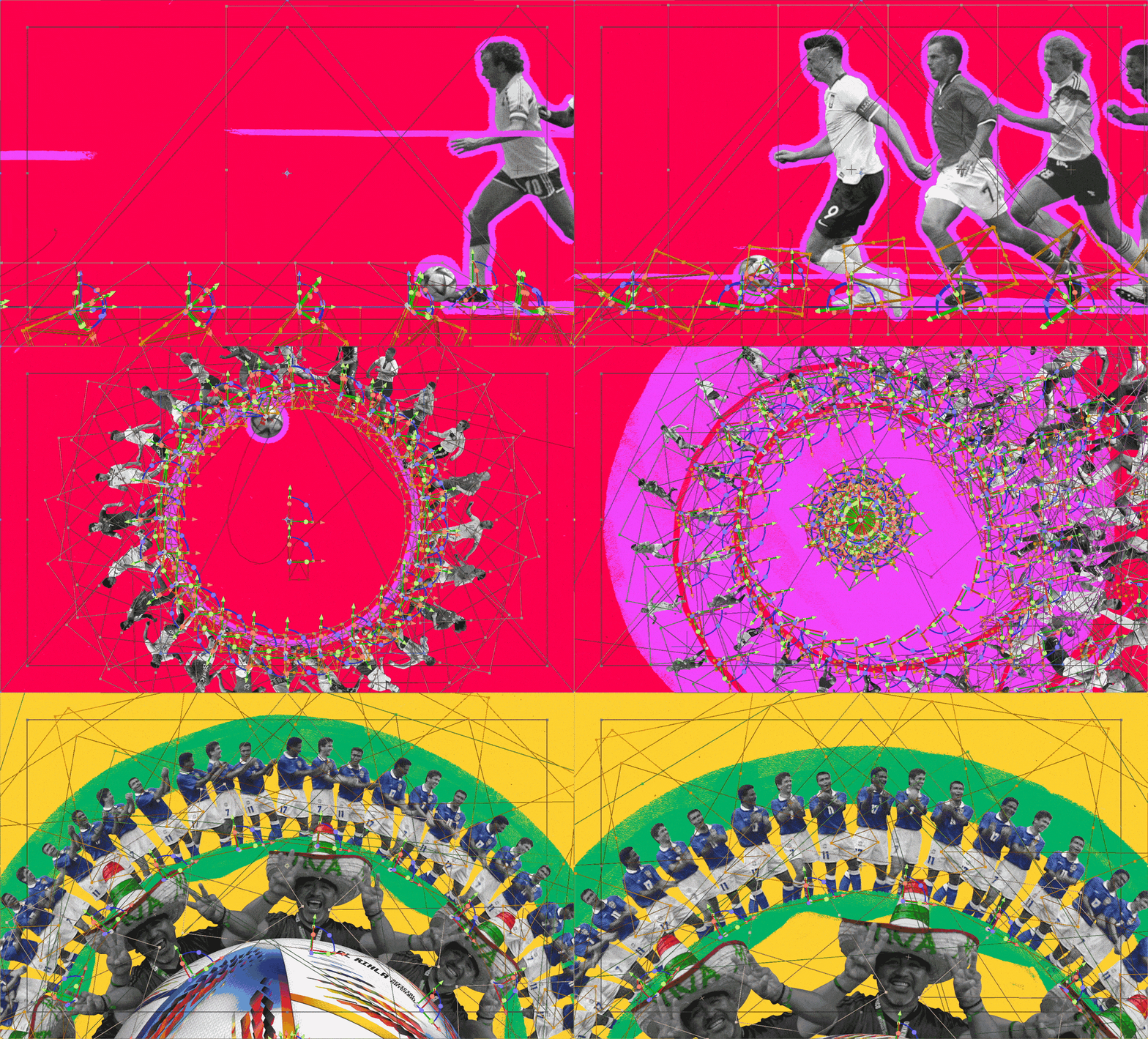
We didn't know if these were the shots we would use for these particular patterns but I wanted us to have a pool of ideas to choose from once we got to the stage of marrying the offline edit with the designs. There was very little waste in the end, a lot of these explorations ended up in the final piece after some adjustments, probably the best example is the line-up of Owen(s) and the spiral of Messi's kicks which we merged into one shot using stills of several past and present players running.
Behind the scenes
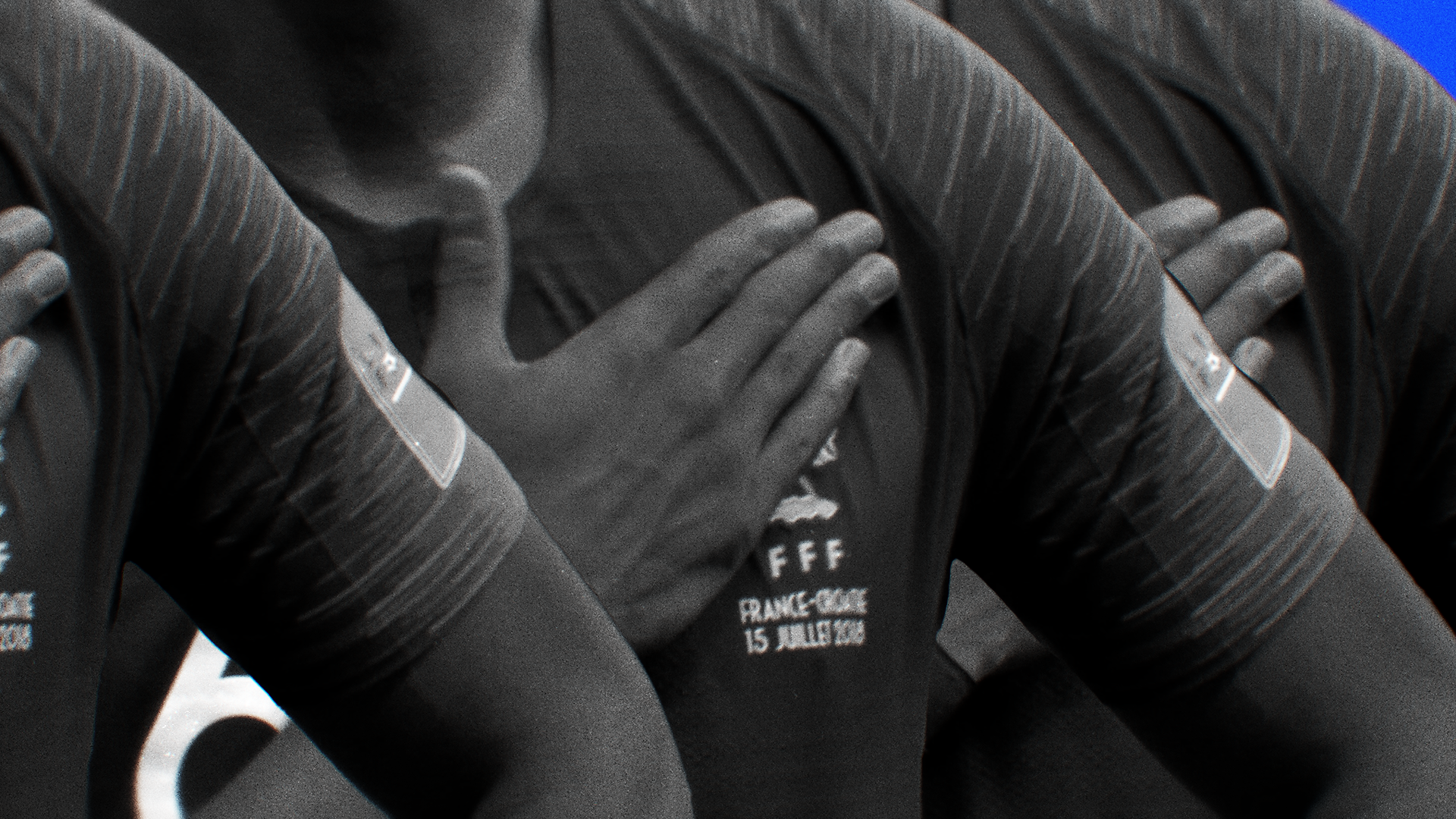
There was a lot of ground to cover, we wanted to fit in some of the most iconic moments from the past World Cups but also quirky moments that everyone forgot about or didn't even see in the first place. The animation had to be snappy – a lot of the time I couldn't linger on a shot for even an extra couple of frames.
I worked in parallel with the Rotoboiz. While they were meticulously cutting out the subjects, I was X shots ahead using proxies (badly rotoscoped footage), developing patterns and progressing with the animation.

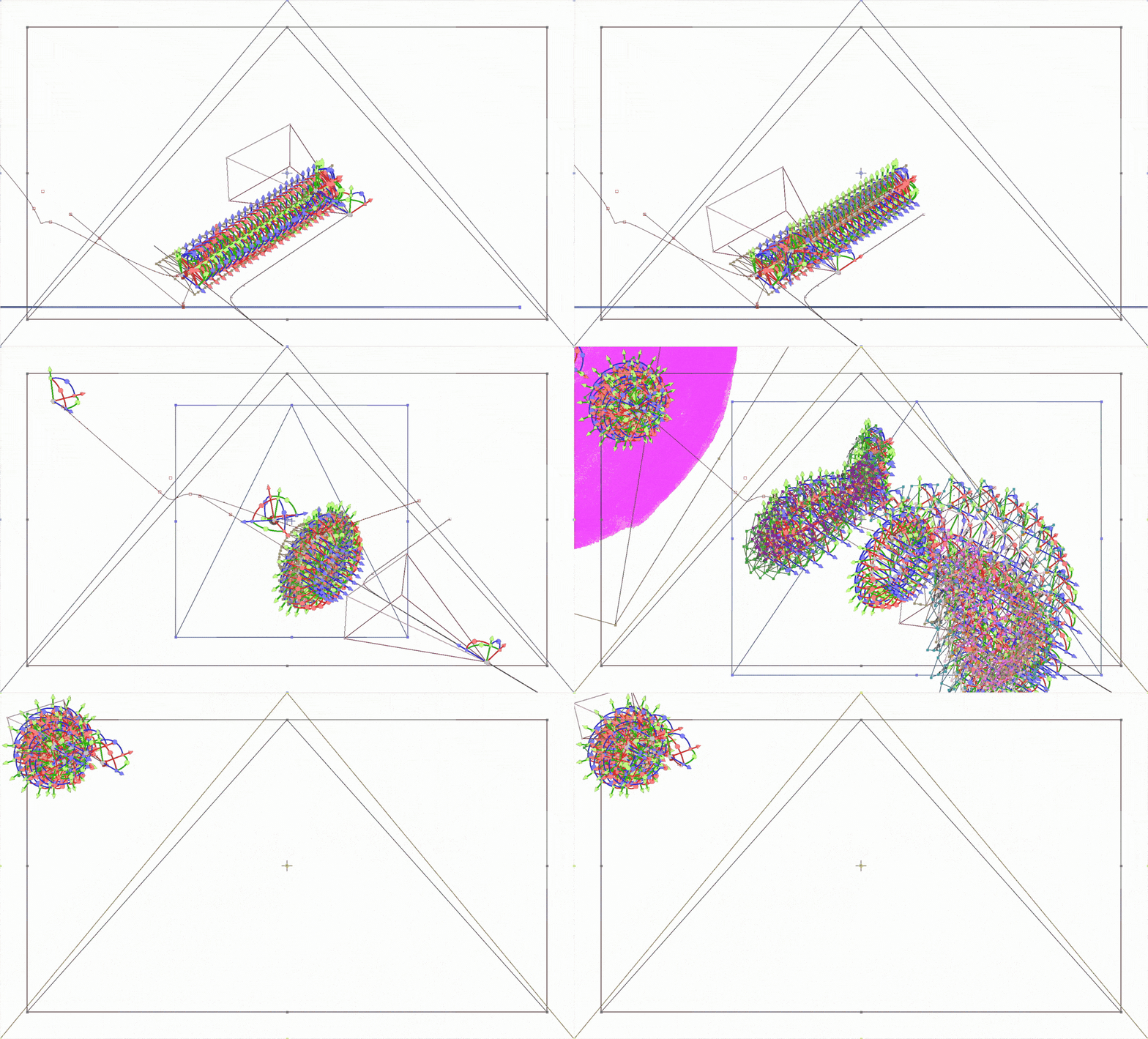

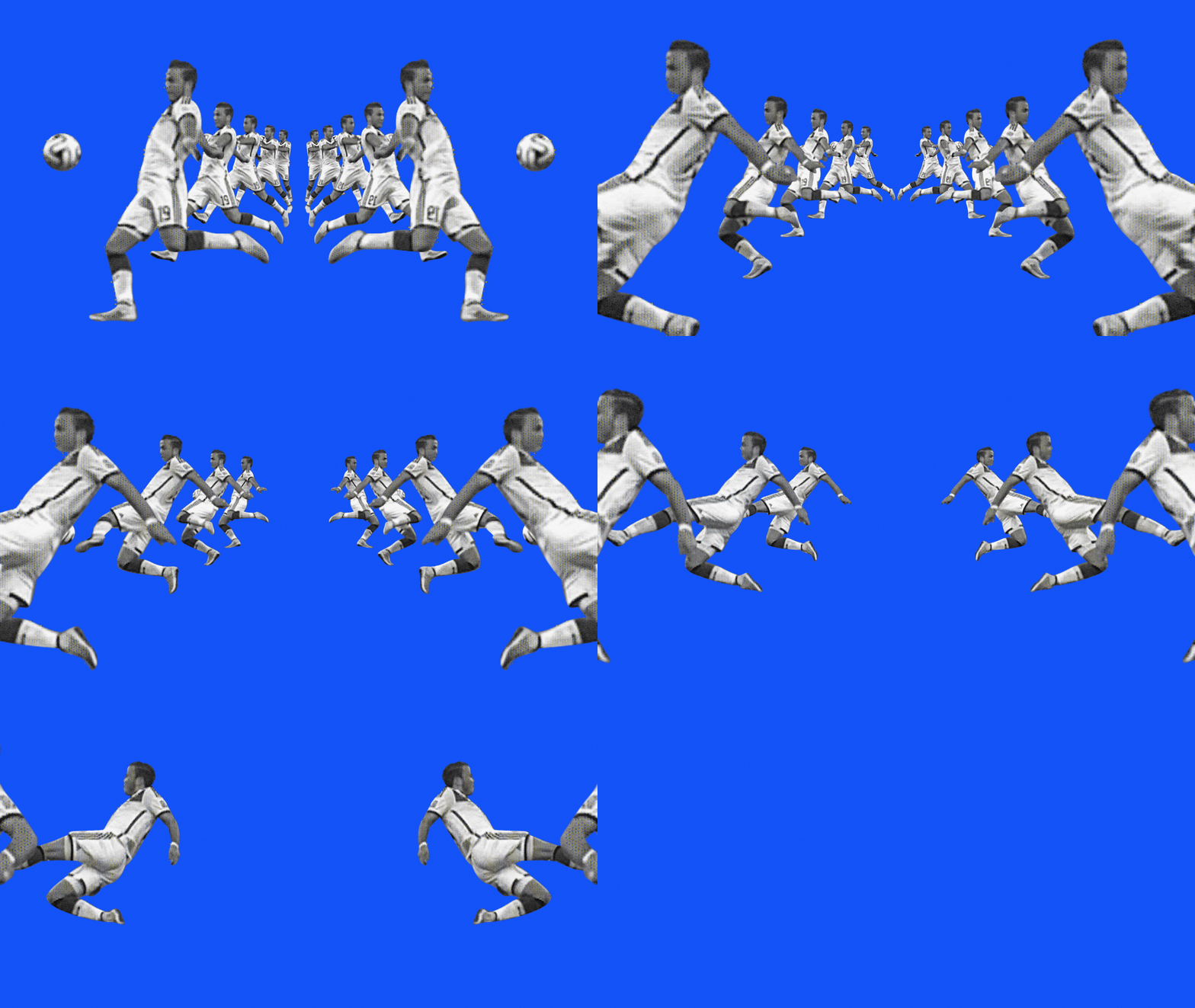
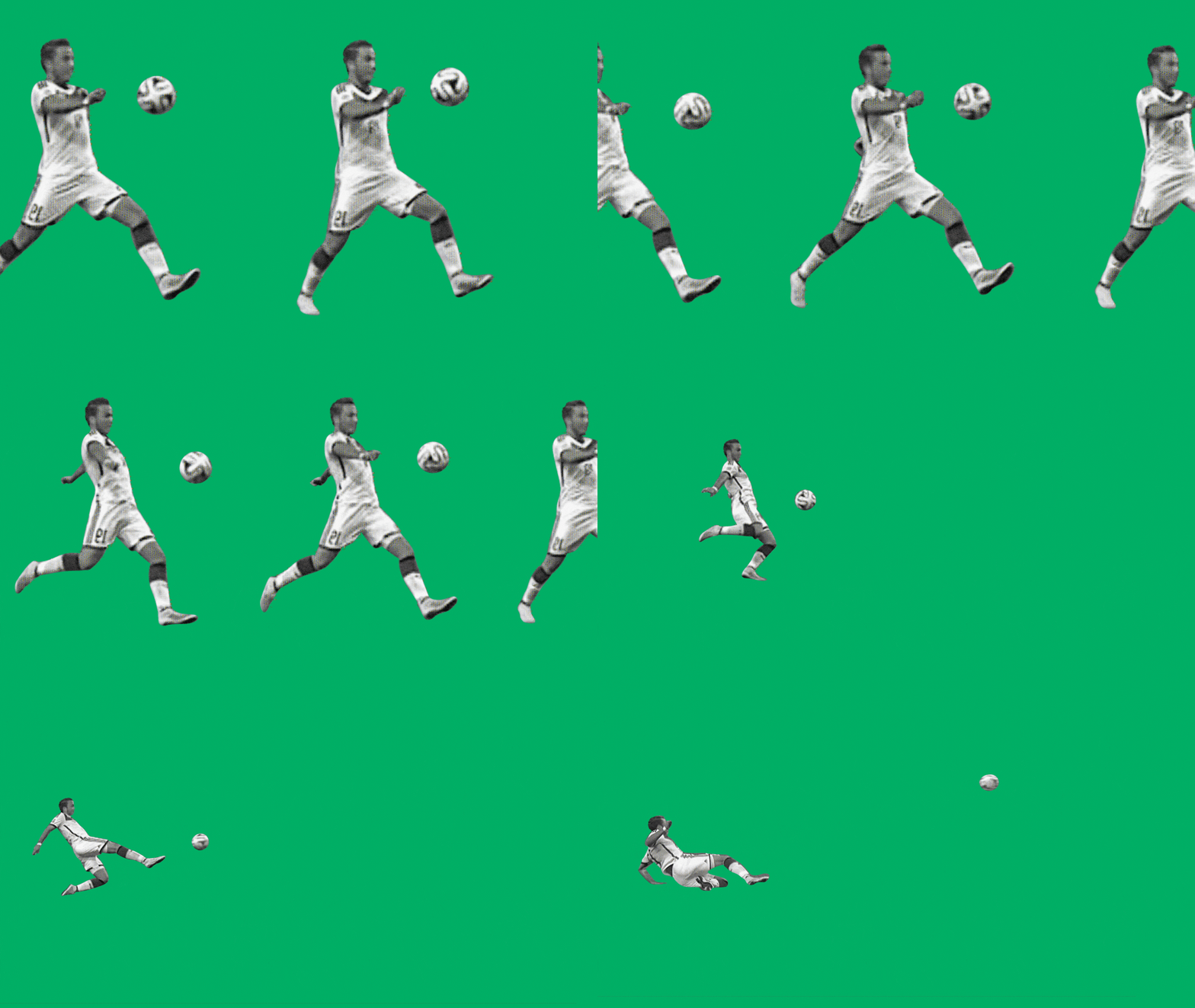
Mario Goetze didn't get selected for this year's World Cup so he didn't make our cut either but this shot of his goal from 2014 helped me figure out things. First, it helped me brief our fab team of Rotoboiz - Jack and Harris - who rotoscoped more than 40 shots by the end. It was also a clear example that we couldn't always loop footage like a GIF. For that waterfall effect (like the blue test), they'd need to rotoscope extra frames on each side of the main action. It also let me explore different camera moves and experiment with depth by offsetting layers on the Z axis.
We wanted to pay tribute to the tournament's rich history, football and the amazing energy around it, despite the horrible revelations surrounding this year's host country. The sequence goes live on Sunday, 20th of November, ahead of the opening game Qatar vs. Ecuador and will be played before every other game broadcasted by BBC, with an anticipated reach of 44 million views.
Thanks for watching